Discover the 8 essential skills that drive success—ranging from mastering communication, self-criticism, and resilience, to cultivating the powerful “Chad Mindset.” Learn how to apply them in daily life for confidence, discipline, and long-term growth.
8 Essential Skills for True Success: Confidence, Discipline, and Long-Term Growth
Success is not built overnight. It is the result of intentional habits, mental frameworks, and practical skills that enable individuals to face challenges, influence outcomes, and sustain progress over time. While talent and knowledge may open doors, what truly separates high achievers from the rest is discipline, self-awareness, communication, and resilience.
In a complex world filled with competition, pressure, and constant distraction, success increasingly depends on mastering a set of core life skills—skills that shape your mindset, strengthen your identity, and raise your ability to lead yourself before leading others.
In this article, you will discover 8 essential skills that drive success—ranging from mastering communication, self-criticism, and emotional balance, to cultivating the powerful “Chad Mindset” built on confidence, bold action, and self-discipline.
Understand Influence—Don’t Be Manipulated
The world runs on interests. Many people, even unconsciously, operate from self-centered motives. Learning how influence works is not about exploiting others—it is about protecting yourself, reading reality intelligently, and responding with clarity.
Mastering this skill makes you harder to deceive and easier to respect. The moment you start observing intentions behind words, you shift from being a passive target to becoming an active strategist in relationships. Practical habits to build this skill:
Learn How to Fight—Build Discipline Through Strength
At some point in life, you must defend yourself—not always physically, but emotionally, mentally, and socially. People often interpret the inability to defend boundaries as weakness. Fighting here is not only about combat. It represents discipline, self-control, and the ability to remain strong under pressure. Physical training strengthens the mind as much as the body. Action plan:
This is not about violence. It is about becoming someone who does not collapse when life pushes back.
The Chad Mindset—Confidence Engineered
Many men struggle silently with challenges that destroy their momentum:
The solution is not motivation. The solution is a mindset—the Chad Mindset: unshakable confidence, bold execution, and relentless personal growth. This mindset trains you to reject weakness as an identity and adopt strength as a daily routine. Key traits of the Chad Mindset:
How to build it:
The Chad Mindset is not arrogance—it is self-mastery.
Role-Playing & Mystery—Control What You Reveal
Not everyone deserves access to your life. One of the strongest social skills is learning how to manage what you reveal, to whom, and when. Controlled transparency creates respect, builds influence, and protects your energy from unnecessary exposure. Practical tips:
A life with controlled visibility makes you unpredictable—and therefore harder to control.
Brutal Self-Criticism—Master Yourself First
The foundation of growth is not confidence. It is honesty. Brutal self-criticism means facing yourself without excuses. It is not self-hate. It is self-leadership. The path to mastering people begins with mastering yourself. Steps to practice brutal self-honesty:
Only when you become your toughest critic can you become your strongest supporter.
Doubt & Question—Think Independently
Never accept beliefs simply because they are popular, trendy, or labeled as “expert opinion.” A strong mind does not follow crowds. It evaluates evidence and chooses what serves long-term success. Stop believing blindly in:
Do this instead:
Healthy skepticism is not negativity—it is intellectual independence.
Communication—Your Most Powerful Weapon
Words create outcomes. You will always be judged by what you say, how you say it, and when you choose silence. Communication is not a soft skill. It is a performance skill. It determines your influence in meetings, negotiations, and relationships. Develop these three abilities:
Mastering communication saves 99% of the energy wasted on arguments and misunderstandings.
Wins, Losses & Forgiveness—Emotional Intelligence for Growth
Most people celebrate wins and fear losses. But real success comes from emotional balance. Sometimes victories are hidden disasters. Sometimes losses are disguised protection. The winner is not the one who avoids failure—but the one who learns faster.
A powerful mindset shift:
Then comes one of the hardest skills of all: forgiveness and letting go. Holding resentment drains energy. Forgiveness is not about others—it is about freeing yourself. Key insights:
Final Thoughts: Success Is Not Luck—It’s Skill
Success is not a single event. It is a system. It is built through inner discipline and outward mastery. When you master these eight skills—understanding influence, building discipline, adopting a strong mindset, controlling your exposure, criticizing yourself honestly, thinking independently, communicating strategically, and staying emotionally balanced—you build a foundation for success that does not collapse under pressure. True success is not about winning every day. It is about becoming the kind of person who wins in the long run.
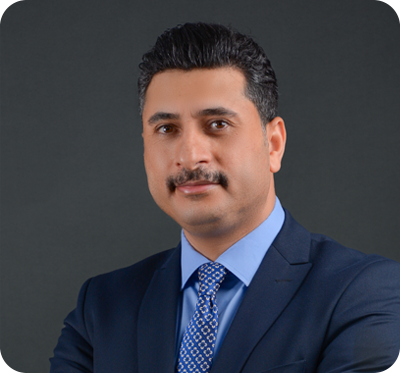
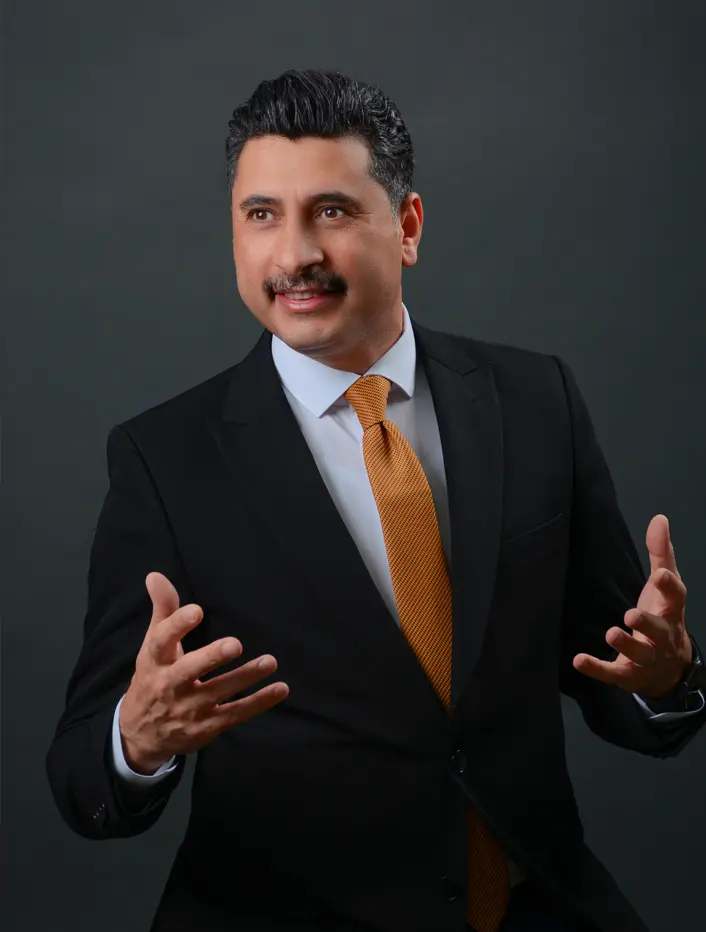
Dr. Abdulrahman Aljamouss, PhD is a strategic consultant, academic, trainer, and author with over 20 years of professional experience in workforce development, leadership capability building, and institutional transformation. He partners with organizations to design future-ready strategies, develop leadership pipelines, and deliver measurable, sustainable impact.



Dr. Abdulrahman Aljamouss, PhD is a strategic consultant, academic, trainer, and author with over 20 years of professional experience in workforce development, leadership capability building, and institutional transformation. He partners with organizations to design future-ready strategies, develop leadership pipelines, and deliver measurable, sustainable impact.

© Copyright - Dr. Abdulrahman Aljamouss, PhD
Powered & Designed with by Synapze

Dr. Abdulrahman Aljamouss, PhD is a strategic consultant, academic, trainer, and author with over 20 years of professional experience in workforce development, leadership capability building, and institutional transformation. He partners with organizations to design future-ready strategies, develop leadership pipelines, and deliver measurable, sustainable impact.