The changes facing human resources are no longer merely economic or technological. They have become changes in capabilities, behaviors, knowledge, and above all, in skills. With these changes, traditional skills have become inadequate for this stage. Some believe we have entered the era of the Fourth Industrial Revolution, and confidence in the ability to predict what is to come has become a matter of doubt.
From Living the Future to Creating It
Dr. Abdulrahman Al-Jamous / PhD in Business Strategies
The changes facing human resources are no longer merely economic or technological. They have become changes in capabilities, behaviors, knowledge, and above all, in skills. With these changes, traditional skills have become inadequate for this stage. Some believe we have entered the era of the Fourth Industrial Revolution, and confidence in the ability to predict what is to come has become a matter of doubt.
Since business organizations operate in an environment whose most important pillars now depend on answering a question recognized by management experts and placed among organizational goals—a question that strategies are meant to answer—this question centers on the issue of the future of human resources and jobs, and how to create this future instead of merely trying to live it without participating in its formulation and investing in it.
According to World Bank Group President Jim Yong Kim, the nature of work is changing rapidly and continuously. The main challenge lies in equipping the human resource with the skills they will need, regardless of what the skills of the future might be. These skills include problem-solving and critical thinking, as well as interpersonal interaction skills such as empathy and synergy. Governments must take active steps to better prepare their citizens to compete in the economy of the future.
With the dawn of the Fourth Industrial Revolution, we must shed light on the most prominent future skills required in the labor market, to find a way to move beyond the problem of living the future to creating it. Because the next phase requires training in the skills of making the future. Although training in future-making skills is a pure gamble, the attempt is less dangerous than not attempting to learn, acquire, and adopt the skills of making the future, which represent the skills of the Fourth Industrial Revolution.
Personal Skills
These are the skills an individual possesses to work in harmony and with empathy with others, share ideas and experiences, and motivate others toward achieving goals under all circumstances and overcoming all challenges. If you were asked: Are you the first person your friends come to when they need advice? Do you tend to speak in groups and share your ideas easily? If you answered yes, you can consider interpersonal and leadership skills as part of your personal skills. These types of skills can be the abilities we are born with, our natural talents, or things we develop through our experiences and deliberate practices. Whether it's innate competence or developed ability, knowing our personal skills is extremely useful in both our personal and professional lives.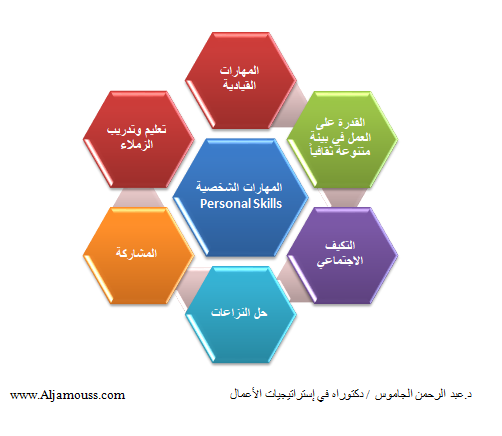
Communication Skills
Communication skills are needed to speak appropriately with people while maintaining good eye contact, showing a rich vocabulary and adapting the language of conversation to the participants in the communication session, listening effectively, presenting ideas appropriately, writing clearly and accurately, and working well in a group.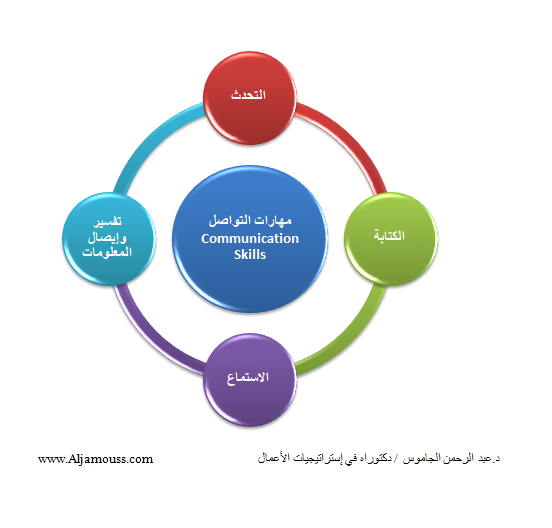
Analytical Skills
This skill helps the ability to collect information, analyze it, solve problems, and make decisions. These strengths can help solve problems, improve productivity, and overall success.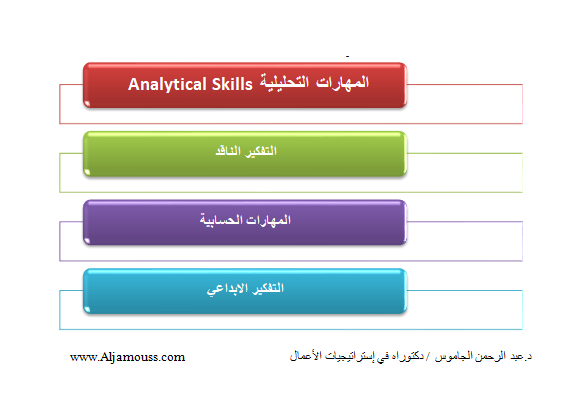
Technical Skills
Technical skills are those skills that enable the use of appropriate technology and computer applications in carrying out work. They are the abilities and knowledge necessary to perform specific tasks. They are practical tasks and often relate to mechanical, information technology, mathematical, or scientific tasks. Some examples include knowledge of programming languages, mechanical equipment, or tools.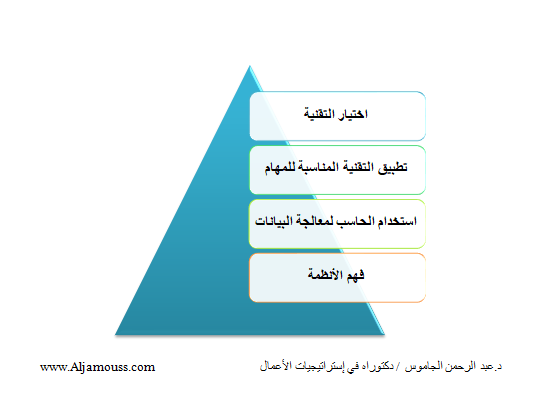
Data Processing Skills
Dealing with data and information, understanding them, determining how to access them, employ them, organize them, and judge their reliability.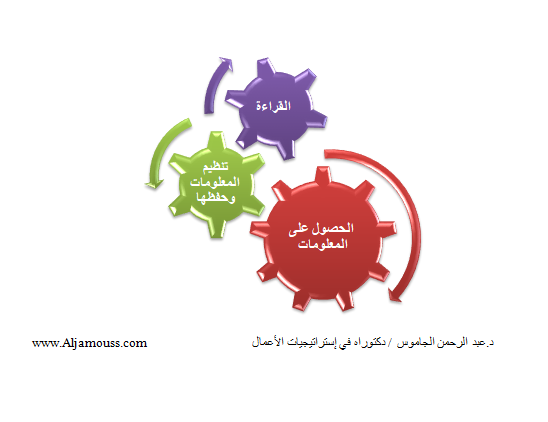
Personal Attributes
These contribute to achieving goals to the highest degree and investing time in employing capabilities.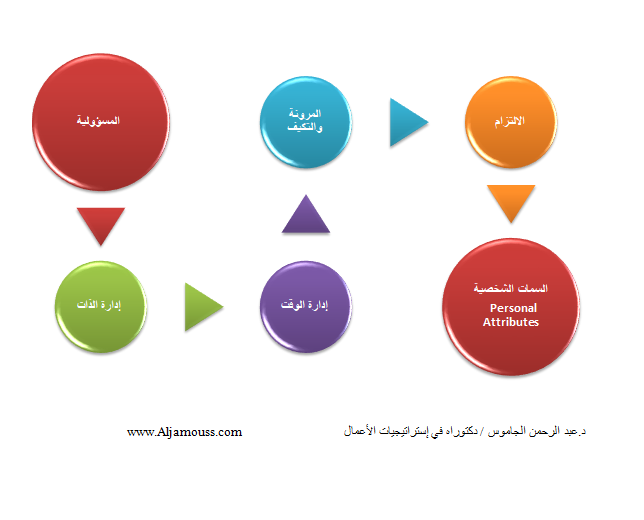
Dr. Abdulrahman Aljamouss, PhD is a strategic consultant, academic, trainer, and author with over 20 years of professional experience in workforce development, leadership capability building, and institutional transformation. He partners with organizations to design future-ready strategies, develop leadership pipelines, and deliver measurable, sustainable impact.

Dr. Abdulrahman Aljamouss, PhD is a strategic consultant, academic, trainer, and author with over 20 years of professional experience in workforce development, leadership capability building, and institutional transformation. He partners with organizations to design future-ready strategies, develop leadership pipelines, and deliver measurable, sustainable impact.

© Copyright - Dr. Abdulrahman Aljamouss, PhD
Powered & Designed with by Synapze

Dr. Abdulrahman Aljamouss, PhD is a strategic consultant, academic, trainer, and author with over 20 years of professional experience in workforce development, leadership capability building, and institutional transformation. He partners with organizations to design future-ready strategies, develop leadership pipelines, and deliver measurable, sustainable impact.