بواسطة د. عبد الرحمن الجاموس
01 Sep, 2022
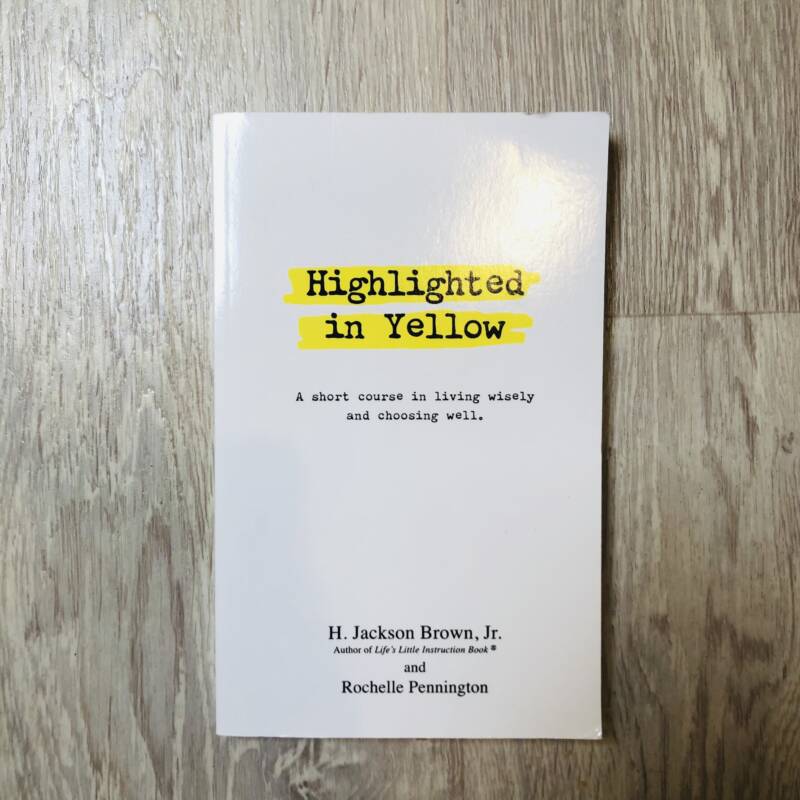
ملخص كتاب مميّز بالأصفر للعيش بحكمة والاختيار بذكاء
يحتوي كتاب "مميّز بالأصفر" على العديد من القصص والاقتباسات عن مواضيع الحياة العامة، والقصص التي تتحدث عن أسس الحياة الجيّدة، كالكرم، الإحسان، وأهمية التصرف بلطف مع الآخرين، وتوطيد العلاقات مع الآخرين، كما ويُقدم كتاب مميز بالأصفر بعض التوجيهات الذهنيّة المهمة التي تساعد الإنسان لكي يعيش حياة يوميّة هادئة ومليئة بالقناعة والرضا، فيما يلي سنقدّم لك ملخص بسيط لأهم الأفكار الواردة في هذا الكتاب الذي كُتب بقلم جاكسون براون، وروتشيل بنيجتون.
يحتوي كتاب "مميّز بالأصفر" على العديد من القصص والاقتباسات عن مواضيع الحياة العامة، والقصص التي تتحدث عن أسس الحياة الجيّدة، كالكرم، الإحسان، وأهمية التصرف بلطف مع الآخرين، وتوطيد العلاقات مع الآخرين، كما ويُقدم كتاب مميز بالأصفر بعض التوجيهات الذهنيّة المهمة التي تساعد الإنسان لكي يعيش حياة يوميّة هادئة ومليئة بالقناعة والرضا، فيما يلي سنقدّم لك ملخص بسيط لأهم الأفكار الواردة في هذا الكتاب الذي كُتب بقلم جاكسون براون، وروتشيل بنيجتون.
جاكسون براون الابن هو كاتب أمريكيّ شهير احسن الكتابة في مجال التنمية البشرية والتوعية ولد سنة 1940م في مدينة تينيسي الأمريكية ، شغل منصب مدير فني في إحدى وكالات الإعلان قبل أن تغنيه مهنة الكتابة و كتبه الرائعة عن ذلك المنصب وكان اول كتبه : كتاب بعنوان حكم أب، وبعده كتاب ملحوظة: أنا أحبك، لكنه عرف كثيرًا بفضل كتاب إرشادات الحياة الذي نشر في عام 1991م، و الذي بقي من أفضل الكتب مبيعًا حتى عام 1994م ، لكنه قدم للعالم تحفة فنية أخرى بعنوان كتاب مميز بالأصفر وهو الكتاب الذي سنناقشه في هذه المقالة .
ينقسم كتاب مميّز بالأصفر إلى ستة أقسام أساسيّة، وهي الإحسان، الكرم، المتع البسيطة، التوجه الذهني، الزواج، والأبوة، وفي كل قسم من هذه الأقسام يُقدم لنا المؤلف مجموعة من القصص والنصائح القصيرة المتفرقة التي يُمكن تطبيقها في حياتنا اليوميّة، كالاستمتاع مثلًا بالتفاصيل الصغيرة التي تمرّ في يومنا والتي من الممكن أن تملئ حياتنا بالإيجابيّة والسعادة كشروق الشمس مثلًا وغروبها، وتعلّم صنع بعض المأكولات اللذيذة، والاستماع للأغنيات المفضلة التي تنعش العقل.
الإحسان:
وهو عنصر اساسي من عناصر الحياة و للأسف فرغم انه شيء بسيط إلى ان اغلبيتنا يغفل عنه، يجب ان تروض نفسك وتدربها عن الإحسان الا مشروط نضرا لفوائده العضيمة على نفسك اولا و على نفسية الأخر.
- إذا كنت تعرف شخصًا فقيرًا، فابعث له ورقة نقدية بعشرين دولار دون أن تفصح عن اسمك.( الإحسان هو عدم القدرة على الشعور بالسكينة بالقرب من إنسان آخر لا يشعر بالطمأنينة، عدم القدرة على الارتياح في ظل وجود شخص يشعر بضيق الصدر، عدم القدرة على التمتع بهدوء البال عندما يكون أحد الجيران محملًا بالهموم).
- كن أكثر لطفًا وإحسانًا مما تقتضيه الضرورة.( ثلاثة أشياء هي المهمة في حياة البشر: الأول هو أن تكون محسنًا، والثاني هو أن تكون محسنًا، والثالث هو أن تكون محسنًا).
- إحمل بعض المظلات الرخيصة في سياراتك لتمنحها للعالقين تحت المطر بلا غطاء.( الفرص العظيمة لمساعدة الآخرين نادرًا ما تأتي، ولكن الفرص الصغيرة تحيط بنا كل يوم).
- كن منفتحًا ومتاحًا، إن الشخص التالي الذي تقابله قد يصبح أقرب أصدقائك.(عامل كل شخص تقابله وكأنّك تتلقى زيارة من ضيف عزيز).
- لا تستهين أبداً بقوة كلمة إحسان أو فعل كريم. ( لا يحتاج الأمر لمجهود كبير لجعل الناس سعداء، مجرد لمسة، إذا كنا نعرف كيف نلمسها، مجرد كلمة مناسبة نقولها، أو تعديل صغير يمس الروح الإنسانيّة الرقيقة).
- ابحث عن الخير في الناس. (لن أتحدث بسوءٍ عن أي إنسان، وسأتحدث بكل الخير الذي أعرفه عن كل إنسان).
- عندما تسمع بوق سيارة إسعاف، ادع بالشفاء للشخص الراقد بداخلها. (الدعاء يصنع أشياء أكثر مما يُمكن أن يحلم بهِ العالم بأسرهِ).
- عندما تمرّ على أسرة تركب شاحنة سحب كبيرة، أعطهم إشارة تشجيع برفع إبهامك لأعلى، إنّهم بحاجة لكل التشجيع الممكن.( غالبًا ما نفكر في العطاء على أنهُ الهدايا العينية التي نمنحها، ولكن أعظم عطاء يُمكن أن نقدمهُ هو العطاء من وقتنا، وإحساننا، وحتّى المواساة التي نمنحها لأولئك الذين يحتاجونها، إنّنا ننظر لتلك الأشياء على أنّها غير مهمة إلى أن نحتاجها).
- لا تترك أبدًا صديقًا يحزن وحده.( الصداقة تزيد السعادة وتخفف المعاناة عن طريق مضاعفة البهجة وتقسيم الحزن).
قد تقول في نفسك انك بطبعك شخص يحسن إلى الناس وقد يكون الأمر صحيح لكن إليك بعض الممارسات البسيطة التي قد تساعدك:
- قدم بقشيشا لنادل المطعم الذي تفطر فيه عادة.
- قدم مجاملات رقيقة لثلاث اشخاص اليوم.
- اهدي شخص عزيز هدية غير غالية بدون أي مناسبة.
- ضع الماء على شرفتك من اجل الطيور
الكرم:
تم تناوله في الكتاب بالعديد من القصص القصيرة الرائعة و التي تحمل من المعاني و القيم و الحكم في الحياة ما يكفي لتجعلك تعشق الصفة المتكلم عنها وهي الكرم، فالكرم غير مرتبط بالمال بالضرورة فبإمكانك ان تكون كريما في التعامل و التصرفات بل وحتى في الكلام اد ان الكرم ليس صفة بل هو اسلوب حياة مرتبط تماما برغبتك الداخلية في العطاء اد يجب ان لا تفرض العطاء على نفسك أو تحس بأنك مجبر على أي شيء و تذكر دائما أن ما تعطيه دائما سيعود عليك ببهجة أكبر من ما تأخده.
- اختر مؤسسة خيرية في منطقتك وساندها بسخاء، بوقتك ومالك. (في الشارع، رأيت فتاة صغيرة ترتجف في رداء خفيف، بلا أمل كبير في أن تحظى بوجبة طعام جيدة، شعرت بغضب شديد وقلت لنفسي: لماذا يحدث هذا؟ لماذا لا يُساعدها أحدهم. ثُمّ عدت إلى رشدي حينما جاءني الرد: ولماذا أساعدها أنا.).
- خصّص بضع ساعات كل شهر لتوصيل الطعام للعجائز والمحتاجين.( يزداد الإنسان نضجًا عندما يشعر أنّ اهتمامه بالآخرين يفوق انشغاله بنفسهِ).
- بارك كل يوم من أيامك بفعل كريم.(ضع قاعدة وادع الله أن يُساعدك على الحفاظ عليها: إذا أمكنك، فلا تأو إلى فراشك أبدًا في الليل دون أن تكون قادرًا على أن تقول: لقد جعلت شخصًا ما أكثر حكمة، أو أكثر سعادة، أو على الأقل أفضل حالًا هذا اليوم).
- تبرّع بالطعام لضحايا الكوارث الطبيعيّة.( عندما تقع كارثة أو مأساة في أي ركن من أركان العالم، ينبغي على أن يكون الشعب مستعدًا لمد يد العون والرحمة بكرم وعلى الفوز. إنّ الكرم لا يتسبب أبدًا في فقر المعطي، إنّهُ يُثري حياة من يُمارسونه).
- تبرّع بلتر من الدم كل عام. (أحيانًا عندما أفكر في النتائج الهائلة المترتبة على أشياء بسيطة، أكاد أتصوّر أنه ليس هناك شيئ بسيط.
المتع البسيطة:
مع الأسف شوهت السوشيال ميديا و التلفاز نظرتنا للسعادة و الرضا و الإستمتاع تشويها متجذرا وصلب، اد لا يمكنني اليوم ان اخبرك ببساطة أن تنظر إلى الخبز فوق المائدة وتفرح او تمعن النظر في يديك ورجليك وتبتهج و تحمد الله.
نعم قد توافقني الرأي أن ما ذكرت هو مسبب للسرور و مدعاة لحمد الله ، لكن بداخلك تعلم أن ما سيمنحك السعادة هو الحصول على الكثير من المال او السفر او سيارات فخمة او العيش في فيلا بجوار البحر.
- ازرع الزهور في كل ربيع.(من الممكن أن يظن سكان كوكب آخر ليست بهِ زهور، أنّ أهل الأرض يكادون يطيرون من السعادة طوال الوقت لوجود تلك الزهور حولهم).
- تعلّم صنع صوص اسباجيتي رائع.( العنصر الذي لا غنى عنه في جميع الأطعمة الجيدة التي تطهى في المنزل هو: حب أولئك الذين تطهي الأطعمة لهم).
- فكّر أفكار عظيمة، ولكن استمتع بالمتع الصغيرة.( سعيد هو الإنسان الذي يستطيع الاستمتاع بالأشياء الصغيرة، والمباهج البسيطة، والأحداث اليوميّة العاديّة، شروق الشمس على الحقول، تغريد الطيور على الأغصان،وجبة الإفطار أو العشاء، أو زيارة صديق، وكثير من الذين يذهبون بعيدًا بحثًا عن السعادة يتركون تلك السعادة وراء ظهورهم في أقرب الأماكن منهم وأبسط الأشياء بين أيديهم).
- اضحك بصوت مرتفع.( الضحك هو الشعور بالسعادة بكل كيانكَ ولكن مع ظهور ذلك في الأساس في منظقة الوجه).
- احتفظ بدفتر يوميات.( إذا كانت حياتكَ تستحق أن تعيشها، فهي تستحق أن تسجلها).
التوجه الذهني:
كان هنالك رجل عجوز يجلس في مدخل المدينة فسأله أحد المسافرين:
- المسافر: كيف أحوال أهل هذه المدينة ؟
- الرجل العجوز: كيف تركت الناس في مدينتك؟
- المسافر: مجتمع فاسد الناس فيه سيئة الخلق
- الرجل العجوز: هكذا ستجد الناس في هذه المدينة
- تم جاء مسافر آخر لنفس الرجل العجوز وسأله
- المسافر الثاني: كيف أحوال أهل هذه المدينة ؟
- الرجل العجوز: كيف تركت الناس في مدينتك ؟
- المسافر الثاني: مجتمع صالح الناس فيه طيبة الخلق
- الرجل العجوز: هكذا ستجد الناس في هذه المدينة.
من هذه القصة نستخلص أن تصورنا المسبق عن الأشياء يلعب دورا مهم في رأينا عنها فيما بعد لهذا علينا أن نحرص على توجيه ذهننا توجيها ايجابيا على قدر المستطاع.
- تذكر أنك يمكن أن تفقد الكثير من الأشياء الطيبة في الحياة عن طريق تبني توجه ذهني سيء.( الحياة هي ما نصنعهُ بأنفسنا، كانت كذلك دائمًا وستظل كذلك أبدًا).
- كن أنت أكثر الذين تعرفهم إيجابية وحماسًا.( إنّها لهبة أن تكون قادرًا على رسم صورة أو نحت تمثال، وبهذا تجعل بعض الأشياء تبدو جميلة، ولكن من الأكثر روعة بكثير أن تنحت وترسم المناخ والبيئة التي تنظر من خلالها، وللتأثير على جودة اليوم، هذا هو أسمى الفنون على الإطلاق).
- اصفح بسرعة.( لقد تعلمتُ من كلبي وقطتي درسًا عظيمًا في الحياة.. أن أنسى كثيرًا).
- اقض حياتك في الإرتقاء في الناس لأعلى، وليس في التقليل من شأنهم.( الإساءة إلى الناس عادة بغيضة، أيًا كان وضعك).
- حقق أقصى قدر من الإستفادة من أفضل الأشياء لأدنى حد ممكن.( كل حياة بها أوقات من الوحشة وأوقات من البهجة، وتنبع السعادة من اختيار الأوقات التي نتذكرها دائمًا).
- تذكر الموارد المؤثرة الثلاثة المتاحة لك دائمًا: الحب، والدعاء، والصفح.( في الليل، أسلم كل أموري إلى الله، فهو الذي لا ينام أبدًا).
- تذكر أن السعادة تنتج عن إيثار الآخرين على نفسك.( لماذا لا تشعر بالسعادة؟ لأنّ تسعًا وتسعين بالمائة من كل ماتفعلهُ، وتقولهُ، وتفكر فيهِ من أجل نفسك).
الزواج :
تناول الكتاب موضوع الزواج بشيء من التفصيل كون هذا الأخير هو المرحلة الثانية بعد النضج وللأسف يخطئ الكثير في ربط النضج مع سن معين ويصبح المرء مطالب بالزواج فقط لأنه تحصل على عمل او اشترى بيته الخاص او لأسباب اخرى تافهة مثل زواج اقرانه،
لكن الزواج هو شيء أكثر و أعمق من ذلك بكثير ف الزواج الناجح يعني حياة سعيدة، أسرة سعيدة و الاسرة سعيدة تخلق أبناء ناجحين و الابناء ناجحين يخلقون مجتمع ناجح.
- اختر شريكة حياتك بعناية هذا الخيار سيجلب لك تسعين بالمائة من سعادتك أو شقائك. (ليس هناك شيئ أعظم من البشر أن يشعرا أنهما مرتبطان ببعضهما مدى الحياة، أن يدعما بعضهما البعض في جميع الأعمال، أن يسكنا لبعضهما البعض في جميع الأحزان، أن يساعدا بعضهما البعض في جميع الآلام، أن يتوحدا مع بعضهما البعض في صمت عند استعادة الذكريات في لحظة الوداع الأخيرة).
- لا تتزوج إلا من تحبّ. (الآن اشبكا ايديكما، ومع أيديكما، شبكا قلبيكما، لا أحد أبدًا، ولا حتّى الشعراء، تمكّن من قياس ما يستطيع القلب حمله من حب).
- ابحث كل يوم عن وسيلة بسيطة لتحسين علاقتك الزوجية.( أعطياني أيديكما، أمسك أنت يدها، وأمسكي يديهِ، ليجمع بينكما حب ينمو بينما تهرمان)
- كن رومانسيًا.( أحد أعظم أوهام عصرنا هو أنّ الحب ينمو بذاتهِ، إنّهُ ليس كذلك، لا بدّ من تعزيز ورعاية الحب وتجديده باستمرار، هذا يتطلب براعة واهتمامًا، ولكنهُ يتطلب، قبل أي شيئ آخر وقتًا).
- كن أفضل صديق لزوجتك. ( روحان تُراودهما نفس الفكرة، قلبان يدقان كقلب واحد).
- تذكّر أنّ المرأة لا تسأم أبدًا سماع تلك الكلمات أحبك، أقدرك، كم أنا محظوظ لأني وجدتك.(الحب هو جزء من حياة الرجل، ولكنّهُ كل حياة المرأة).
الأبوة:
بعد أن كونت شخصية محسنة، كريمة و إيجابية و نضجت و تزوجت ونجحت في كل ما سبق تأتي المرحلة المهمة في حياتك عندما ترزق بأطفال، ومع الأسف لا يعي معظم الناس مسؤولية إحضار روح جديدة لهذا العالم فبعضهم يريد الأولاد فقط للتفاخر و البعض الأخر يفكر فيهم كمعيل له عندما يفقد صحته
- تذكر أنّ شخصية طفلك مثل الحساء الجيد، كلاهما يُصنع في البيت.( إذا كنا نرغب في أن يكون أطفالنا كرماء، مسئولين، لطفاء، صادقين، فلا بدّ من تعليمهم تلك الصفات، وليس تمنيها فحسب).
- كُن منتبهًا للفرص التي تسنح لتقديم الثناء والتقدير لأولادك.( يتغذى الطفل على اللبن والثناء).
- رتّب أولوياتك بشكل صحيح، فلم يقل أحدهم على فراش الموت : ليتني قضيت وقتًا أطول في العمل.( من الصعب أن تعرف ما هو مهم في هذا العالم، إنّ معظمنا يهتم بنيل التقدير، والتكريم، والمال، ولكن في تلك النقطة من منتصف العمر، بدأت أرى أنّ الأشياء المهمة بحق الحياة لا تحدث في قاعات اجتماعات الشركات، وإنّما تحدث في مطابخ البيوت).
- لا تقلق بشأن عدم قدرتك على منح أبنائك الأفضل من كل شيء، فقط امنحهم أفضل ما تستطيع.( لم نعلم أبدًا إلى أي مدى نحنُ فقراء، لقد كنا أغنياء كأسرة).
- تذكر أنّ أي وقت تقضيه مع أطفالك ليس وقت ضائع أبدًا.( أفضل لحظات تعيشها هي تلك التي تقضيها مع أسرتك).
- أظهر لأفراد أسرتك كل يوم إلى أي مدى تحبهم من خلال كلماتك، ولمساتك، واهتمامك.( المال لا يستطيع شراء أي احتياج من احتياجات الروح).
- علّم أبنائك الإيمان بالله( الأبناء هبة من الله للآباء، وعليهم أن يهدوهم السبيل المؤدية إلى الله)
- تجنّب السخرية في المحادثة مع الأبناء.( السترة التي يُمزقها الطفل سرعان ما يتم إصلاحها، ولكنّ الكلمات العقابيّة القاسية تسحقُ القلب).
- امتدح جهود أبنائك كما تمتدح نجاحاتهم.( يحتاج الناس إلى الثناء عندما يُحاولون ويفشلون أكثر من احتياجهم إليه عندما يُحاولون وينجحون).
- كن أفضل معلّم ومدرب لطفلك.( أب واحد يُساوي أكثر من مائة معلم مدرسي).