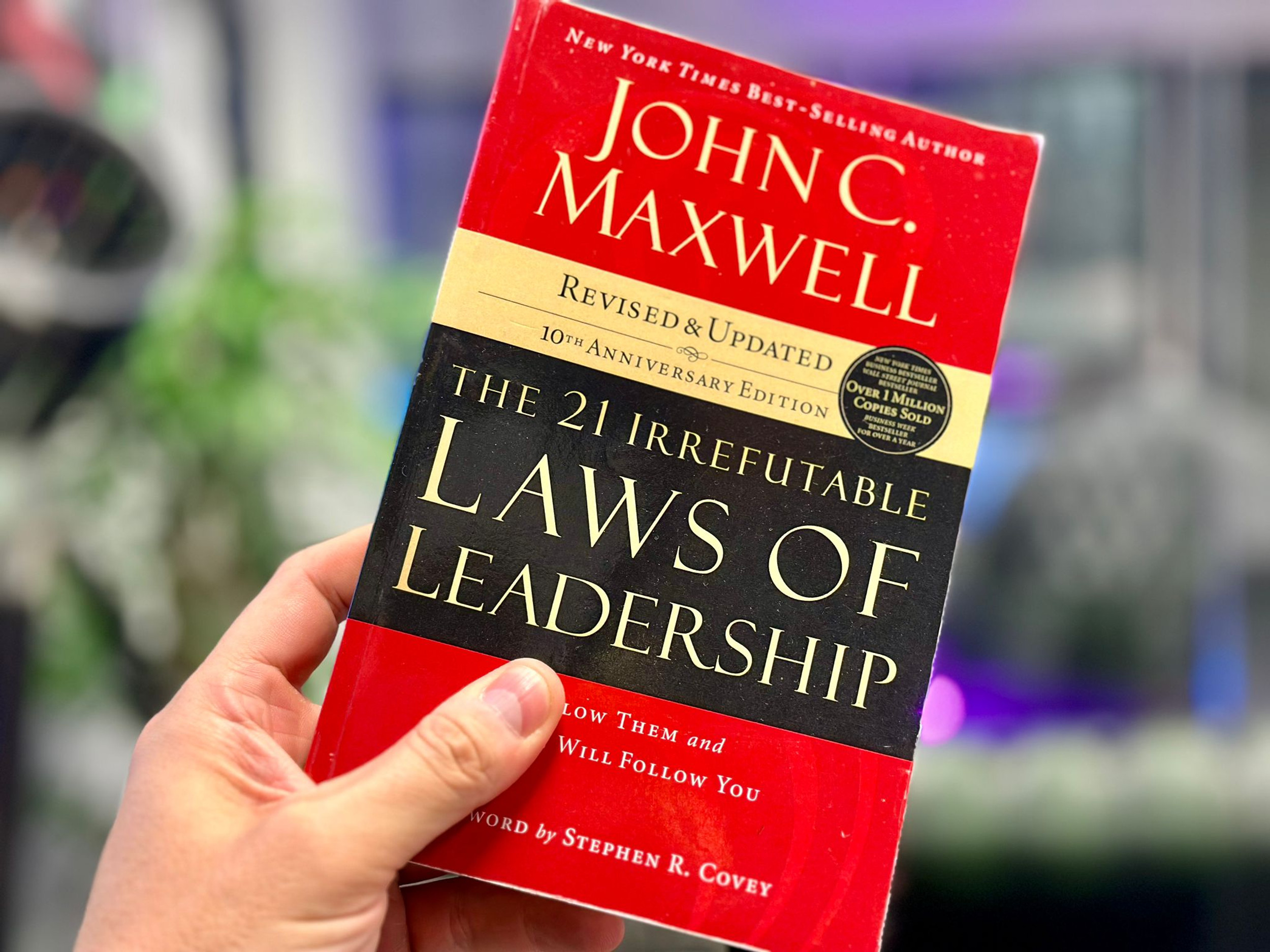
John Maxwell is considered a world expert on leadership and an author whose books sell millions of copies in many languages. He delivers seminars and lectures to leaders of countries, governments, and organizations, and his books top bestseller lists.
John Maxwell is considered a world expert on leadership and an author whose books sell millions of copies in many languages. He delivers seminars and lectures to leaders of countries, governments, and organizations, and his books top bestseller lists.
From his experience, Maxwell derived 21 laws of leadership, which we summarize as follows:
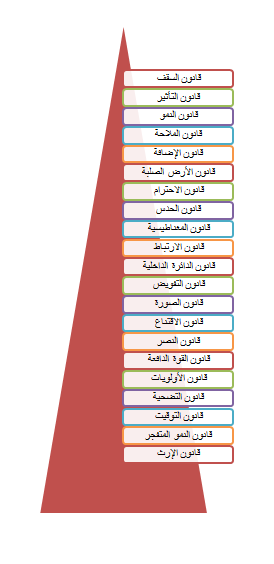
Leadership ability determines a person's level of effectiveness. The lower the leadership ability, the lower the ceiling of potential. The more you want to rise, the more you need leadership. The greater the impact you want to make, the greater your need for influence. You can increase your effectiveness by raising your leadership level, and then you will exert less effort to achieve greater results. Conversely, weak leadership skills will make you exert more effort for success with less effectiveness.
The true measure of leadership is influence—nothing more, nothing less. However, there are five myths about leadership.
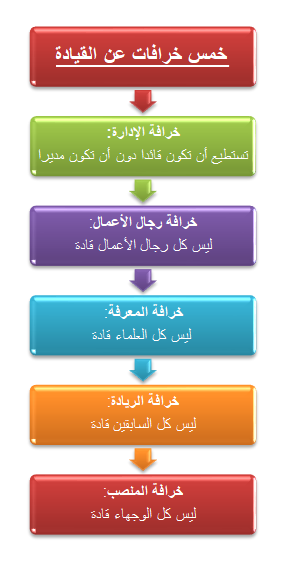
Factors that increase people's influence on others as leaders:
The true essence of influence lies in your ability to persuade others to participate.
Leadership develops daily, not in a single day. It is like an investment that accumulates and compounds.
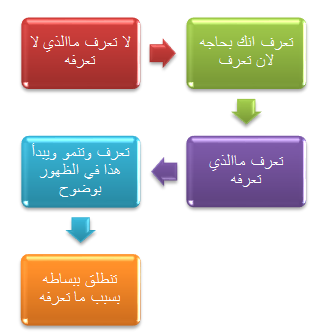
(Note: The original text mentions a graphic here for "Stages of Leadership Growth.")
Anyone can steer the ship, but charting the course requires a leader. A leader is a person who sees more than others see, farther than others see, and before others see.
To be a good navigator:
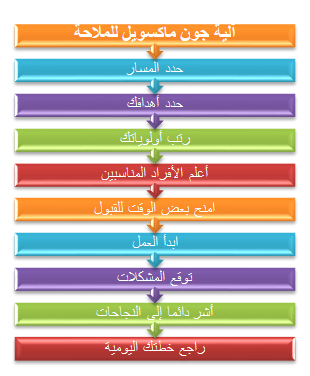
(Note: The original text mentions "John Maxwell's Navigation Mechanism.")
Leaders add value by serving others.
How do we add value to others?
Trust is the foundation of leadership, and character is the foundation of trust. Trust is the foundation of leadership.
To develop your character, you must cultivate three areas:
If you have betrayed trust:
People naturally follow leaders who are stronger than themselves.
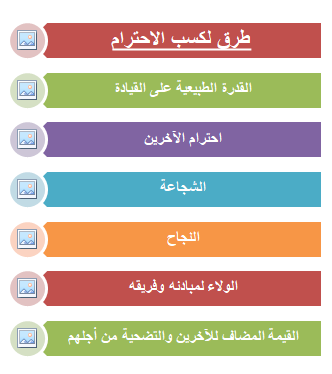
(Note: The original text mentions "The Six Best Ways to Gain Respect" with a graphic.)
Leaders evaluate everything from a leadership perspective. Intuition is the leader's ability to read what is happening around them (situations, people, trends).
Your personality attracts those who are like you. You share the following areas with your followers:
Generation, Mindset, Background, Values, Energy, Talent, Leadership ability.
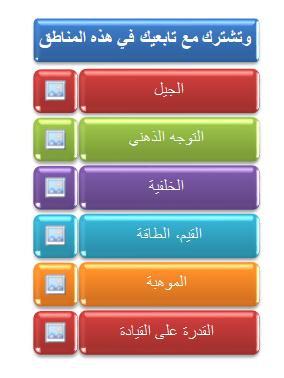
(Note: The original text includes a graphic representing this.)
Leaders touch hearts first before asking for help. But how do you create connection?
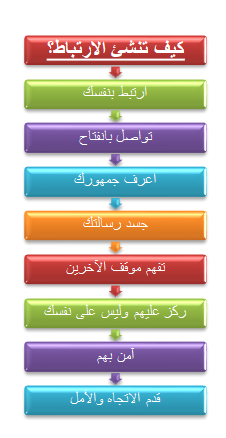
(Note: The original text includes a graphic for "How to Build Connection.")
A leader's potential is determined by the people closest to him.
Qualities of the men/women who should be in your inner circle:
How to build and develop an inner circle:
Confident leaders empower others.
Leaders fail to empower for three reasons:
People do what they see the leader doing. Therefore, remember the following:
People buy into the leader first, then the vision.
How to increase your credibility with individuals?
Leaders find a way for the team to win.
Three elements for team victory:
If you are unable to convince yourself to commit to the team's responsibility for victory, it is due to one of these reasons:
Momentum is a leader's best friend.
To increase momentum:
Leaders understand that activity is not necessarily accomplishment.
How do I focus on my priorities?
A leader must sacrifice in order to rise. There are things you should know about sacrifice:
Leadership timing is as important as what you do and what you aim to achieve.
Four possibilities for a leader's actions:
To increase growth, lead followers. To multiply growth, lead leaders.
A leader's lasting value is measured by his/her legacy.
To develop your legacy:
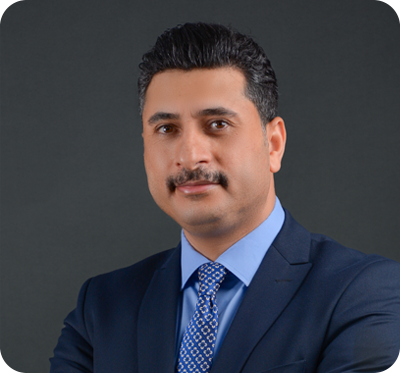
Dr. Abdulrahman Aljamouss, PhD is a strategic consultant, academic, trainer, and author with over 20 years of professional experience in workforce development, leadership capability building, and institutional transformation. He partners with organizations to design future-ready strategies, develop leadership pipelines, and deliver measurable, sustainable impact.



Dr. Abdulrahman Aljamouss, PhD is a strategic consultant, academic, trainer, and author with over 20 years of professional experience in workforce development, leadership capability building, and institutional transformation. He partners with organizations to design future-ready strategies, develop leadership pipelines, and deliver measurable, sustainable impact.

© Copyright - Dr. Abdulrahman Aljamouss, PhD
Powered & Designed with by Synapze

Dr. Abdulrahman Aljamouss, PhD is a strategic consultant, academic, trainer, and author with over 20 years of professional experience in workforce development, leadership capability building, and institutional transformation. He partners with organizations to design future-ready strategies, develop leadership pipelines, and deliver measurable, sustainable impact.