
The beginnings of knowledge date back to the creation of man. God Almighty created man with an innate nature, then taught and guided him, as God says: "He created man and taught him clear expression." History has also conveyed to us aspects of prosperity in ancient civilizations such as the Sumerian, Babylonian, Assyrian, Egyptian, Chinese, Greek, and others
The beginnings of knowledge date back to the creation of man. God Almighty created man with an innate nature, then taught and guided him, as God says: "He created man and taught him clear expression." History has also conveyed to us aspects of prosperity in ancient civilizations such as the Sumerian, Babylonian, Assyrian, Egyptian, Chinese, Greek, and others, which indicates the existence of accumulated knowledge that enabled humans to achieve major accomplishments. However, the predominant nature of knowledge in ancient times did not go beyond being inherited experiences and skills, often linked to inspiration. Moreover, in those eras, there was no attempt to frame accumulated knowledge within scientific theories, and this accumulation was built on myths, which allows us to label the knowledge of those periods as mythological knowledge.
For hundreds of years, especially during the Middle Ages, the transfer of knowledge from the professional to the apprentice occurred through what was called the family recipe, and thus it was shared and passed down from one generation to the next. This transfer process was extremely slow.
Today, however, we find that modern management methods have widely opened the door for knowledge transfer by leveraging technology, such as the internet and various means of communication. During the European Renaissance, what is known as scientific knowledge emerged, which employs intellectual and rational methods different from those of theoretical philosophy. Here, knowledge was subjected to experimentation and proof, and it became the fundamental resource for building the competitive capability of many organizations. In modern management thought, there are many intellectual and administrative schools that have addressed knowledge from its various aspects, including:
The obsession of business organizations has become renewal and innovation. The primary task of managers now lies in their skill in managing knowledge and Management by Knowledge, which leads to enhancing innovation and creativity, forming an effective element for outperforming competitors. Knowledge is the most capable of adding value to things and thus generating money. Sound decisions require sound knowledge. Knowledge is one of the most important factors of production, enjoys special priority, and constitutes a new type of capital based on ideas and experiences—a capital that evolves and never depletes with use. Companies built on knowledge are those capable of surviving and enduring.
Therefore, it can be said that knowledge is that blend of experience, cumulative learning, and organized information, which has been analyzed to become understandable and applicable in a specific decision-making situation.
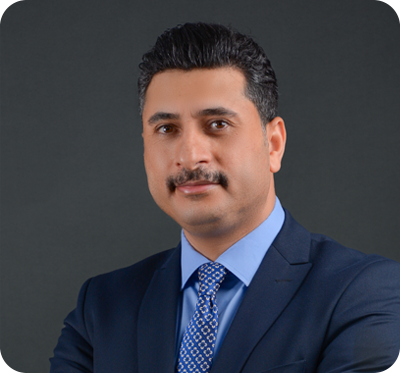
Dr. Abdulrahman Aljamouss, PhD is a strategic consultant, academic, trainer, and author with over 20 years of professional experience in workforce development, leadership capability building, and institutional transformation. He partners with organizations to design future-ready strategies, develop leadership pipelines, and deliver measurable, sustainable impact.
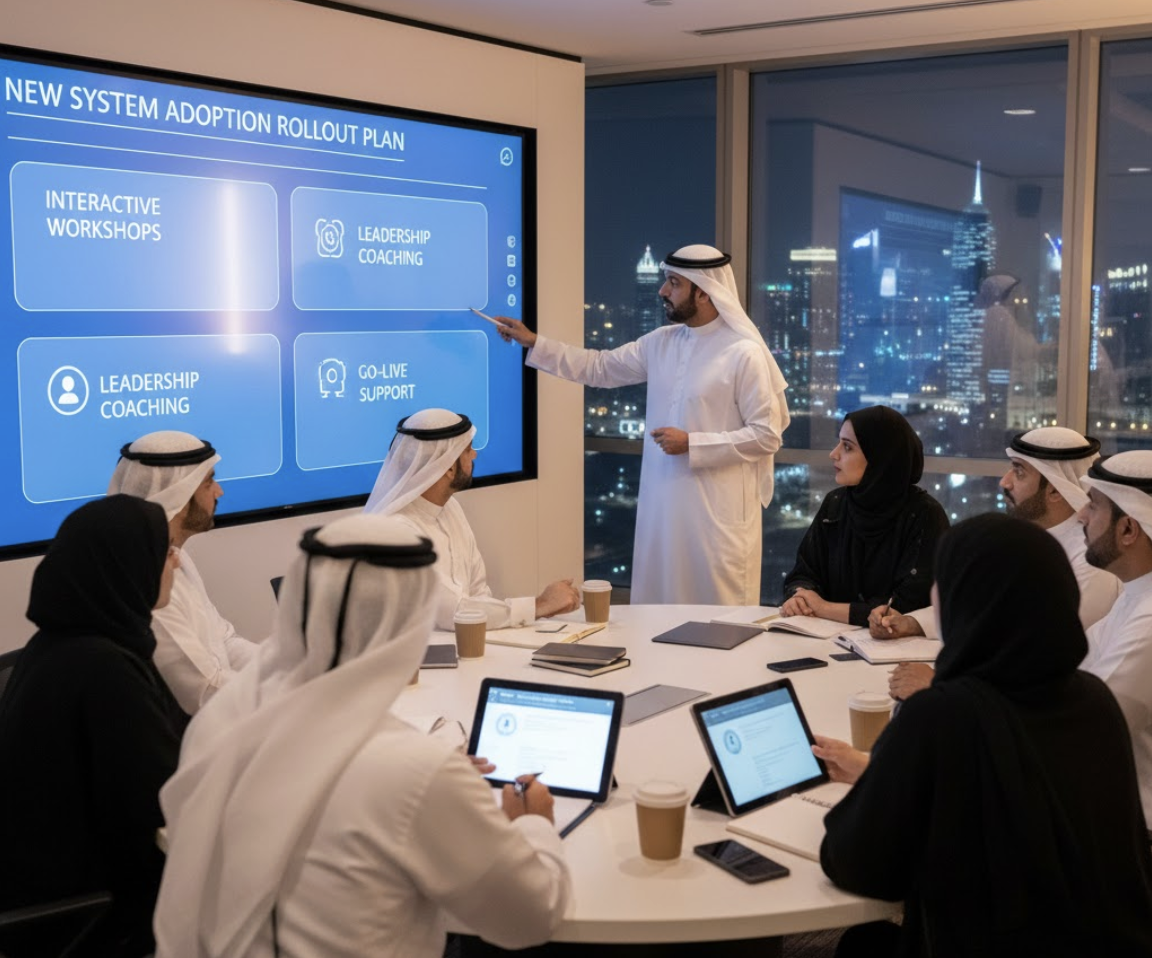



Dr. Abdulrahman Aljamouss, PhD is a strategic consultant, academic, trainer, and author with over 20 years of professional experience in workforce development, leadership capability building, and institutional transformation. He partners with organizations to design future-ready strategies, develop leadership pipelines, and deliver measurable, sustainable impact.

© Copyright - Dr. Abdulrahman Aljamouss, PhD
Powered & Designed with by Synapze

Dr. Abdulrahman Aljamouss, PhD is a strategic consultant, academic, trainer, and author with over 20 years of professional experience in workforce development, leadership capability building, and institutional transformation. He partners with organizations to design future-ready strategies, develop leadership pipelines, and deliver measurable, sustainable impact.