The changes facing societies and organizations are no longer merely economic or political. They have become changes in demographics, politics, society, philosophy, and, above all, in vision.
The global economy is passing through a phase with no guiding theory.
The changes confronting societies and organizations are no longer merely economic or political; they now encompass shifts in demographics, politics, society, philosophy, and—above all—vision. With these transformations, traditional economic, political, and social theories have become unsuitable for this stage.
The changes facing societies and organizations are no longer limited to economic or political dimensions; they now include shifts in population structures, politics, social systems, philosophy, and fundamentally in strategic vision. As a result, conventional economic, political, and social theories are no longer valid for this period. Some observers argue that we currently live in a “theory‑less era” that may persist for some time. Confidence in our ability to predict what lies ahead has weakened significantly. What remains constant, however, is the recognition of the nature of the situation, its managerial directions, and its approaches to understanding economic and administrative phenomena.
No one can deny that business organizations now operate in an environment where the most critical pillar depends on answering a central question—one that management experts have long identified and embedded within organizational goals, and that strategies attempt to address. Unfortunately, many Arab organizations—service‑oriented or industrial, governmental or non‑governmental—analyze this issue without actually answering it. This core question revolves around the future of organizations and how that future can be created.
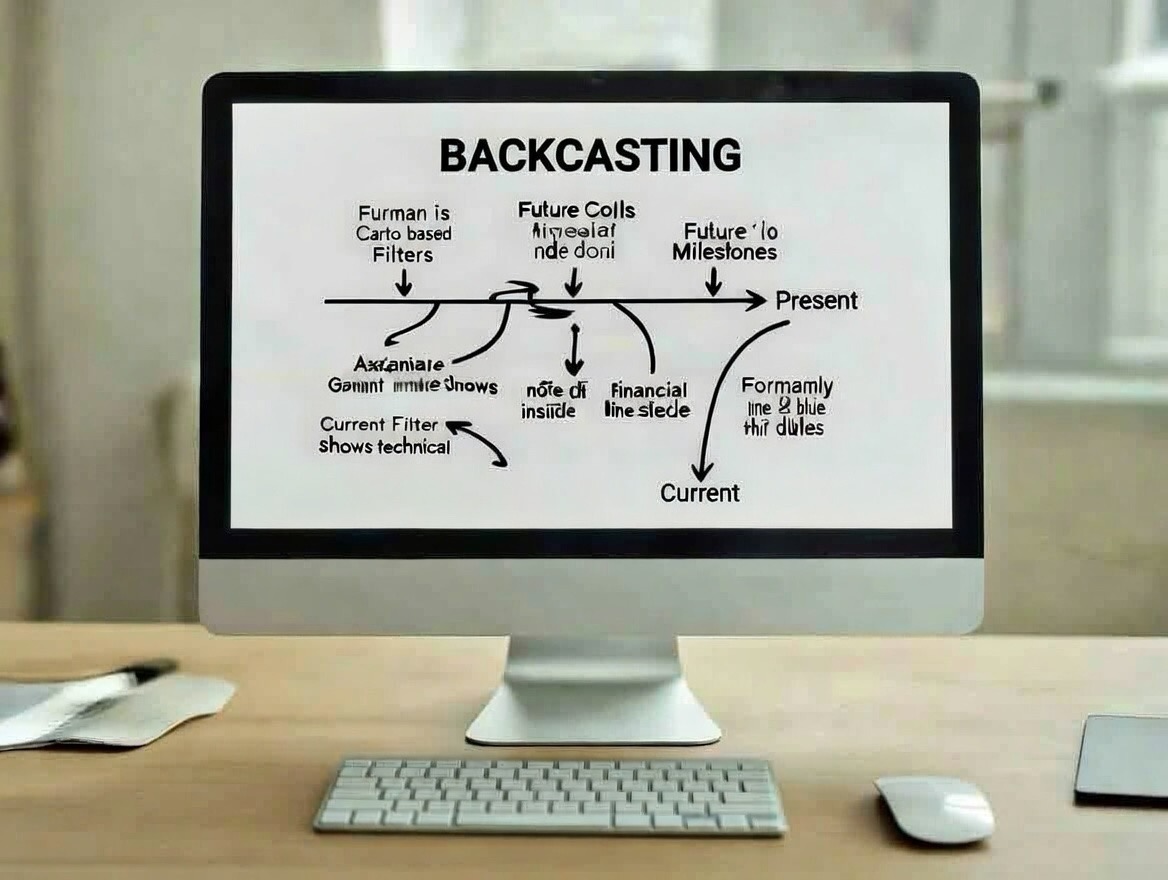
Business organizations are searching not only for ways to cope with the future but for ways to shape it. A successful strategy for the coming phase is one built around future‑making. Undoubtedly, creating the future is a genuine venture fraught with environmental risks. Yet despite these risks, attempting to shape the future is far less dangerous than failing to attempt it at all (Drucker, 2004, pp. 95–96).
This reality requires business organizations to work diligently toward adopting strategic thinking—through crafting visions, plans, and strategic objectives, and aligning them with sound structuring of organizational resources, both human and material. It also requires a sincere and deliberate commitment to strategic control principles, supported by techniques for evaluating strategic performance in ways that contribute to achieving the ultimate aims of strategic planning.
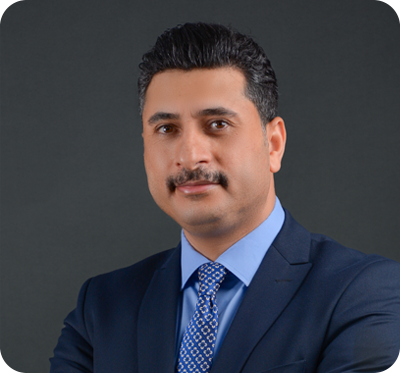
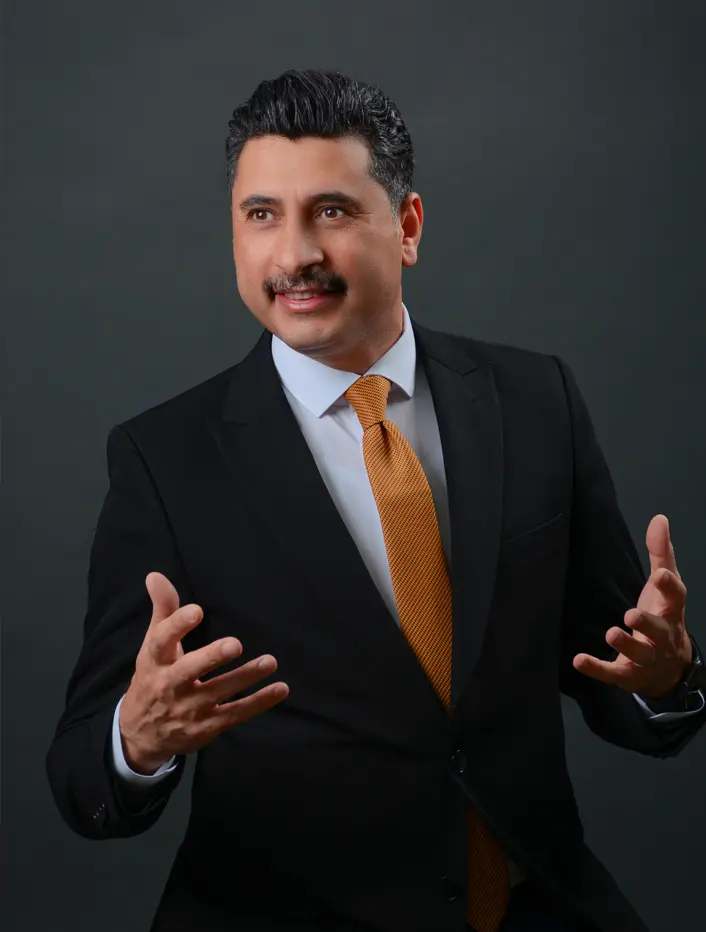
Dr. Abdulrahman Aljamouss, PhD is a strategic consultant, academic, trainer, and author with over 20 years of professional experience in workforce development, leadership capability building, and institutional transformation. He partners with organizations to design future-ready strategies, develop leadership pipelines, and deliver measurable, sustainable impact.
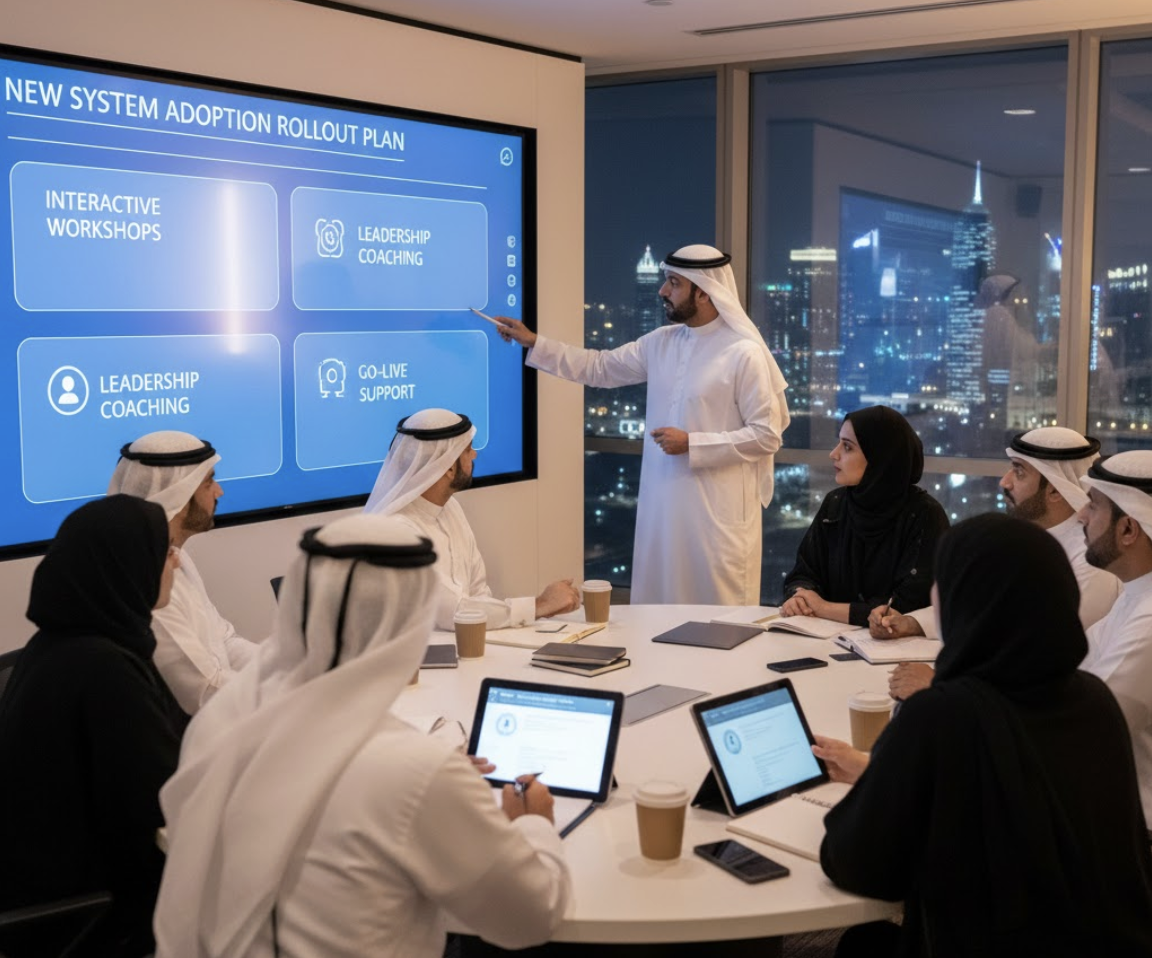
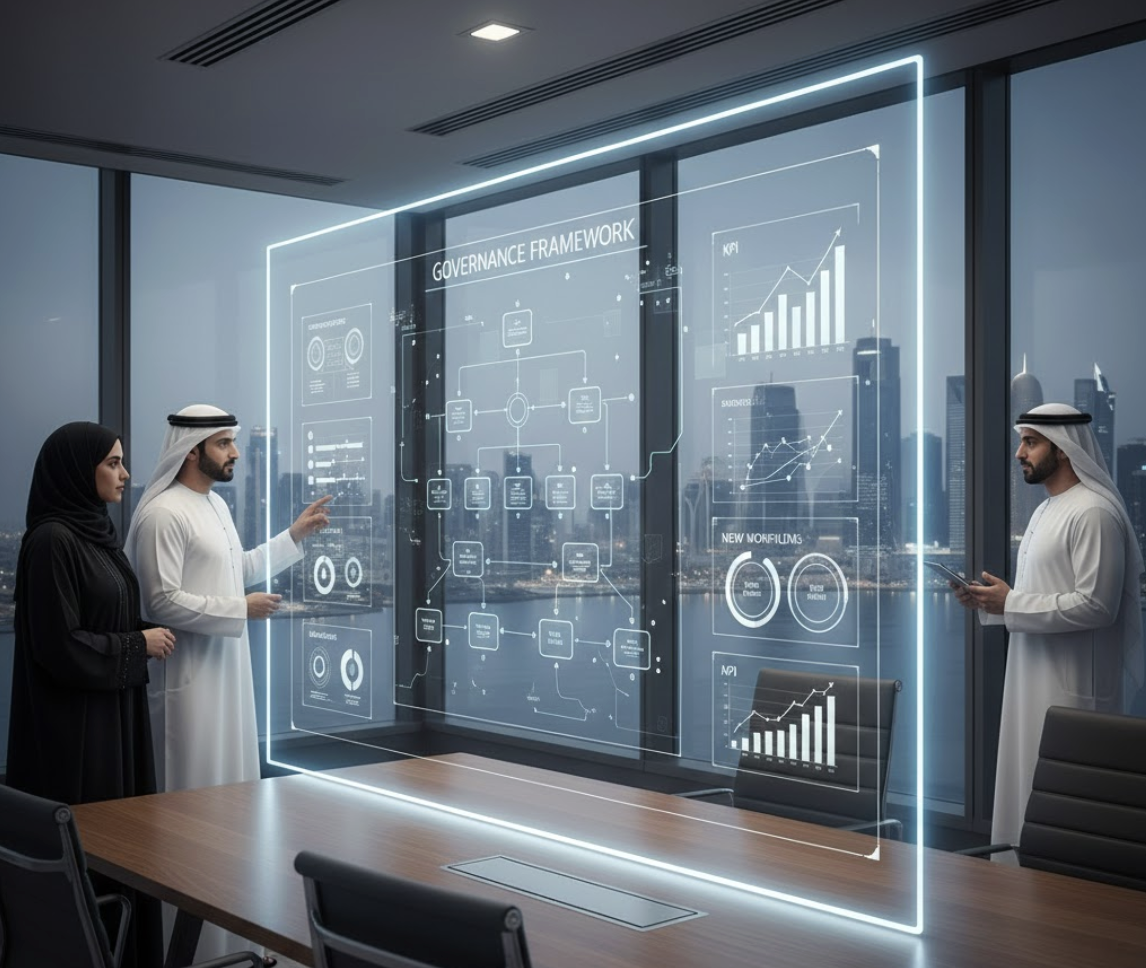
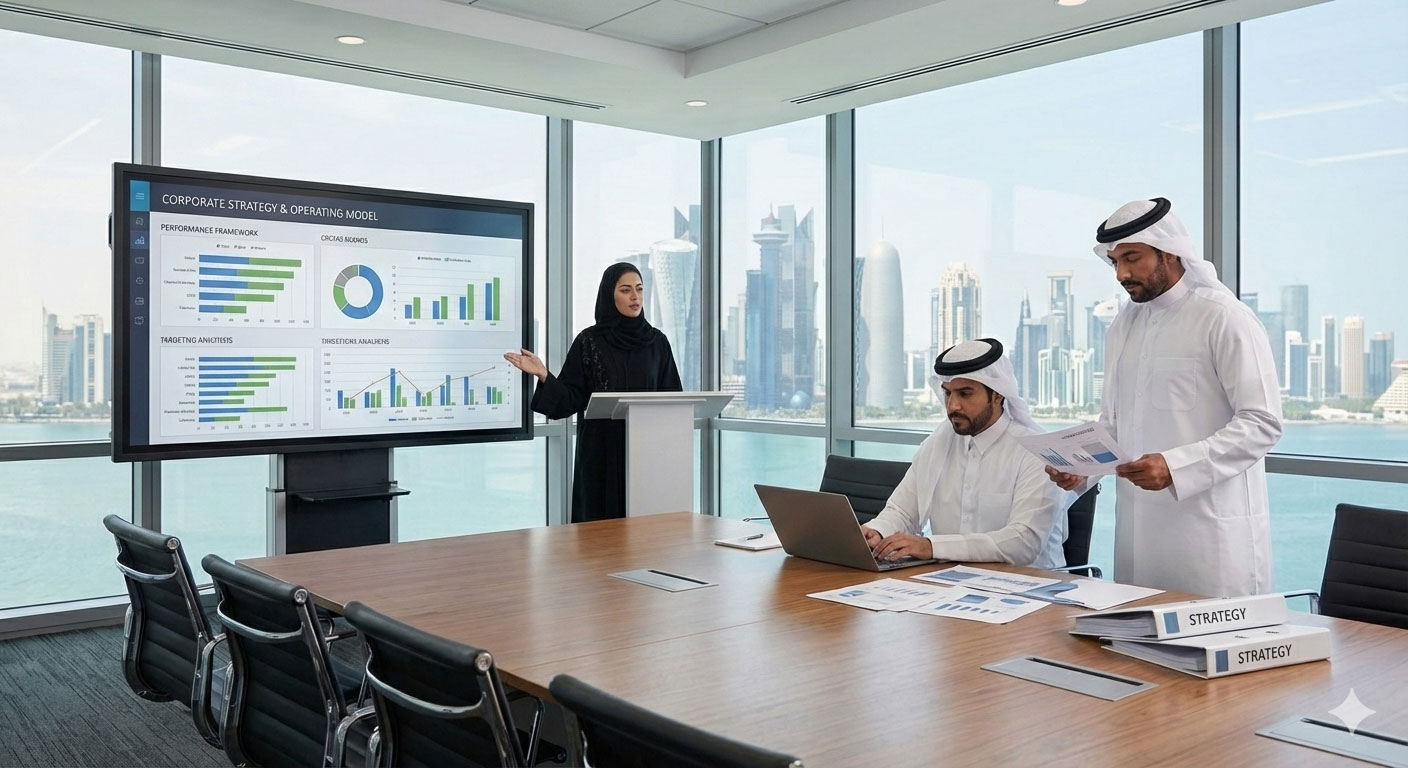

Dr. Abdulrahman Aljamouss, PhD is a strategic consultant, academic, trainer, and author with over 20 years of professional experience in workforce development, leadership capability building, and institutional transformation. He partners with organizations to design future-ready strategies, develop leadership pipelines, and deliver measurable, sustainable impact.

© Copyright - Dr. Abdulrahman Aljamouss, PhD
Powered & Designed with by Synapze

Dr. Abdulrahman Aljamouss, PhD is a strategic consultant, academic, trainer, and author with over 20 years of professional experience in workforce development, leadership capability building, and institutional transformation. He partners with organizations to design future-ready strategies, develop leadership pipelines, and deliver measurable, sustainable impact.