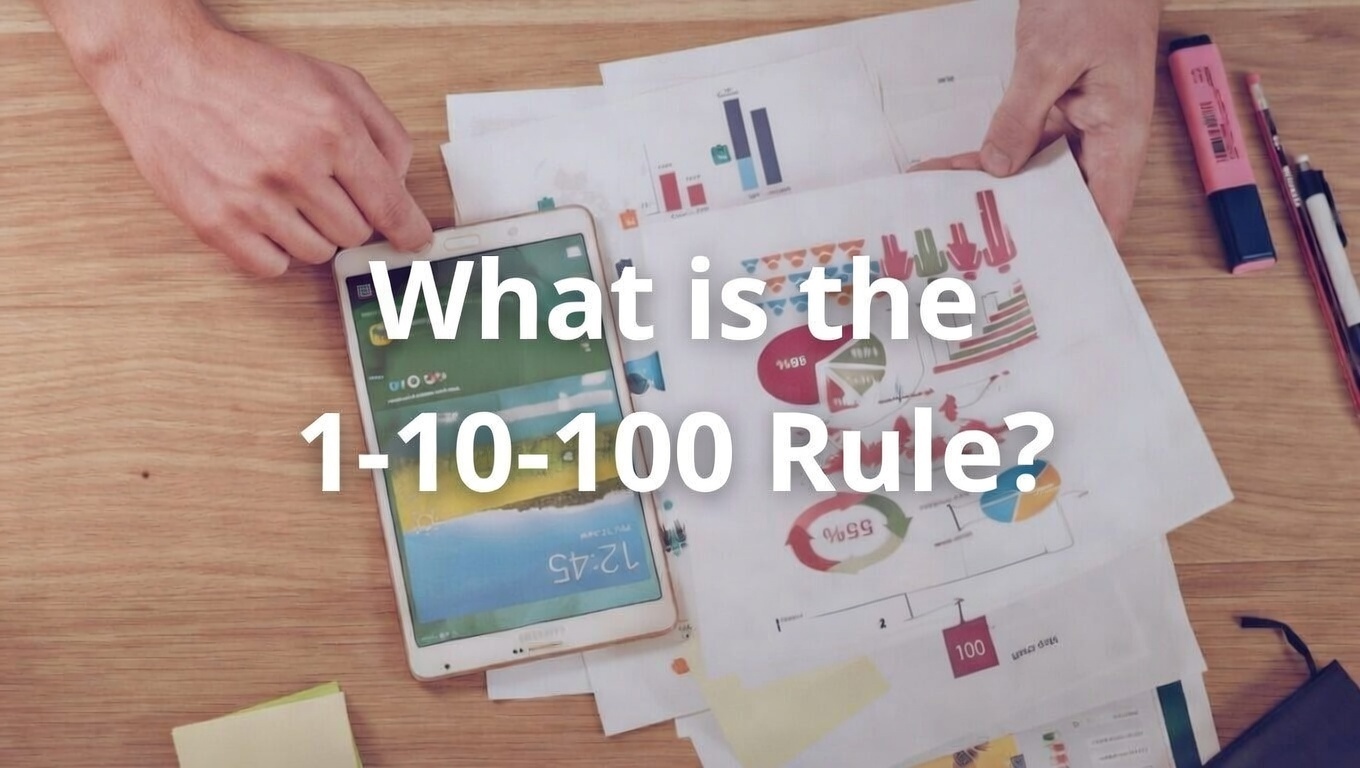
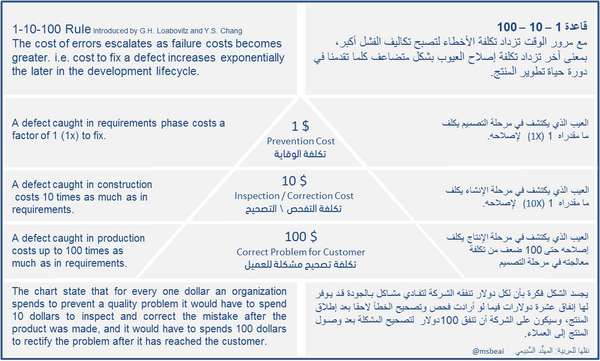
تشير هذه القاعدة ان تكلفة الوقاية، اقل بكثير من تكلفة التصحيح، فعندما تنفق 1$ في الوقاية، ستوفر 10$ اذا ماتم اكتشاف الخطأ و اعادة تصحيحة قبل ان يصل للعميل، وستوفر 100$ اذا اكتشف الخطأ من قبل العميل، لأنك في الحالة الاخيرة مطالب ان تتعامل مع الخطأ و السمعة السيئة.
تشير هذه القاعدة ان تكلفة الوقاية، اقل بكثير من تكلفة التصحيح، فعندما تنفق 1$ في الوقاية، ستوفر 10$ اذا ماتم اكتشاف الخطأ و اعادة تصحيحة قبل ان يصل للعميل، وستوفر 100$ اذا اكتشف الخطأ من قبل العميل، لأنك في الحالة الاخيرة مطالب ان تتعامل مع الخطأ و السمعة السيئة.
و لو طبقنا هذه القاعدة علي الموارد البشرية فإن تكلفة وضع نظام سليم للتوظيف، و تدريب القائمين عليه (الوقاية)، أقل بكثير من وجود أخطاء بالتوظيف و الاضطرار الي اعادة دورة التوظيف (أكتشاف الخطأ و اعادة التصحيح)، و أقل تكلفة من استمرار هؤلاء الموظفين السيئين (الفشل في اكتشاف الخطأ).
بشكل أساسي تعتمد على "تكلفة الجودة" وتنص القاعدة على أن الوقاية أقل تكلفة من التصحيح، والتصحيح أقل تكلفة من الفشل.
مثلاً من المنطقي أن تستثمر دولارًا واحدًا في الوقاية، بدلاً من إنفاق 10 دولارات على التصحيح، وهذا بدوره أكثر منطقية من تحمل تكلفة فشل 100 دولار.
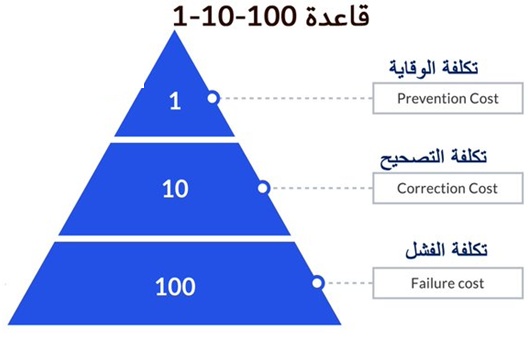
القيمة التي ممكن تخسرها بـ الجودة قبل التنفيذ فقط تشكل 1 فقط.
القيمة ممكن تخسرها اذا حدث خلل بعد التنفيذ وتم اكتشافه من العميل فتكون قيمة تصحيحه أكبر لكن يعتبر تحت السيطرة فتكون التكلفة 10 أضعاف.
بعد ما تنهي عملك ويتم اكتشاف الخطأ من العميل بعد إنهاء المشروع بتكون تكلفته 100 أضعاف.
بعد انتهاء المشروع ''بفترة'' لا أحد يتذكر التكلفة اذا كانت بزيادة أو اقل، تم انجاز العمل قبل او بعد الجدول الزمني. لكن الشي الذي يتذكر غالبًا هو الجودة (سمعة دائمًا للمنظمة).
المثل المشهور يقول: '' الوقاية خير من العلاج'' هو تبسيط لمفهوم العلاقة بين الوقاية والمرض والعلاج بشكل عام.
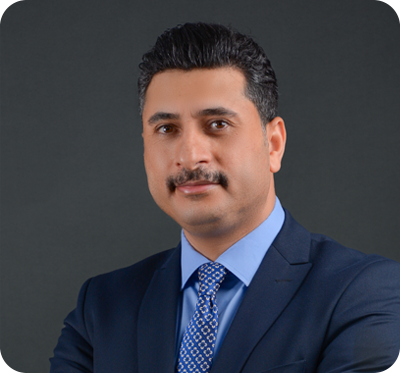
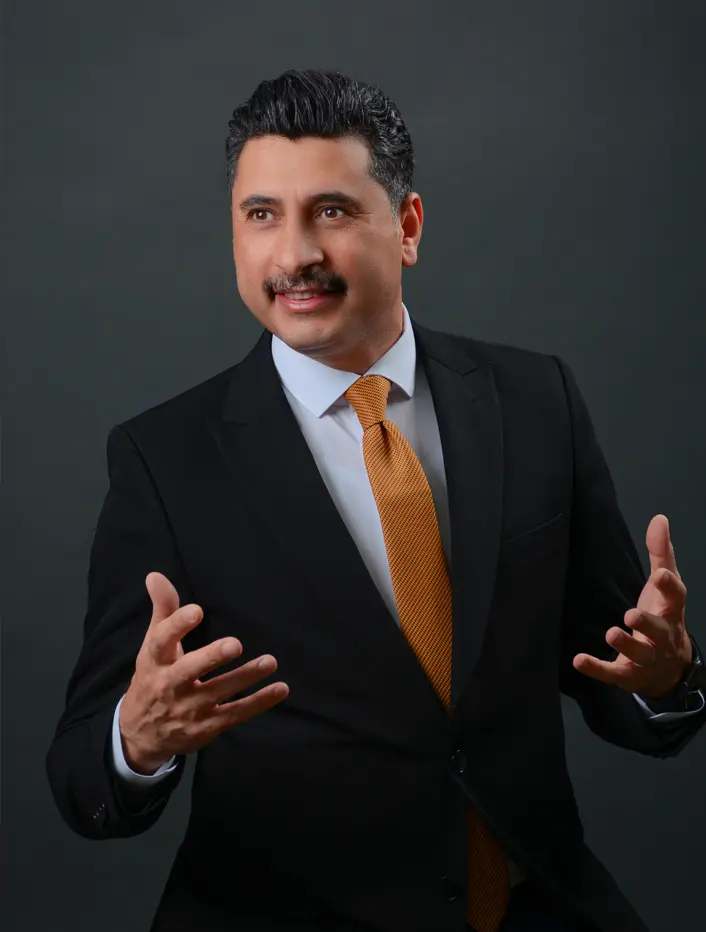
يُعد الدكتور عبد الرحمن الجاموس خبيراً في الاستراتيجية، وأكاديمي، ومدرّب، ومؤلف، يتمتع بخبرة مهنية تمتد لأكثر من عشرين عاماً في تطوير القوى العاملة، بناء القدرات القيادية، التحول المؤسسي والجاهزية المستقبلية، وبناء مسارات قيادية فعّالة، وتحقيق أثر قابل للقياس ومستدام.



يُعد الدكتور عبد الرحمن الجاموس خبيراً في الاستراتيجية، وأكاديمي، ومدرّب، ومؤلف، يتمتع بخبرة مهنية تمتد لأكثر من عشرين عاماً في تطوير القوى العاملة، بناء القدرات القيادية، التحول المؤسسي والجاهزية المستقبلية، وبناء مسارات قيادية فعّالة، وتحقيق أثر قابل للقياس ومستدام.

© حقوق النشر - د. عبدالرحمن الجاموس
صُمم وطُور بـ من قبل Synapze

يُعد الدكتور عبد الرحمن الجاموس خبيراً في الاستراتيجية، وأكاديمي، ومدرّب، ومؤلف، يتمتع بخبرة مهنية تمتد لأكثر من عشرين عاماً في تطوير القوى العاملة، بناء القدرات القيادية، التحول المؤسسي والجاهزية المستقبلية، وبناء مسارات قيادية فعّالة، وتحقيق أثر قابل للقياس ومستدام.