
Discover how cognitive load management helps leaders reduce mental overload, improve decision-making, and sustain high performance in today’s fast-paced business environment.
The Hidden Leadership Skill in the Age of Information Overload
In today’s business environment, the greatest challenge is no longer just workload — it is the constant mental demand created by information, decisions, and digital interruptions. Leaders are expected to process more inputs, make faster decisions, and stay continuously connected. This is where the modern concept of Cognitive Load Management becomes a critical leadership capability. Cognitive load management refers to a professional’s ability to regulate the amount of mental effort their brain handles at any given time, preserving clarity of thought, decision quality, and creative capacity.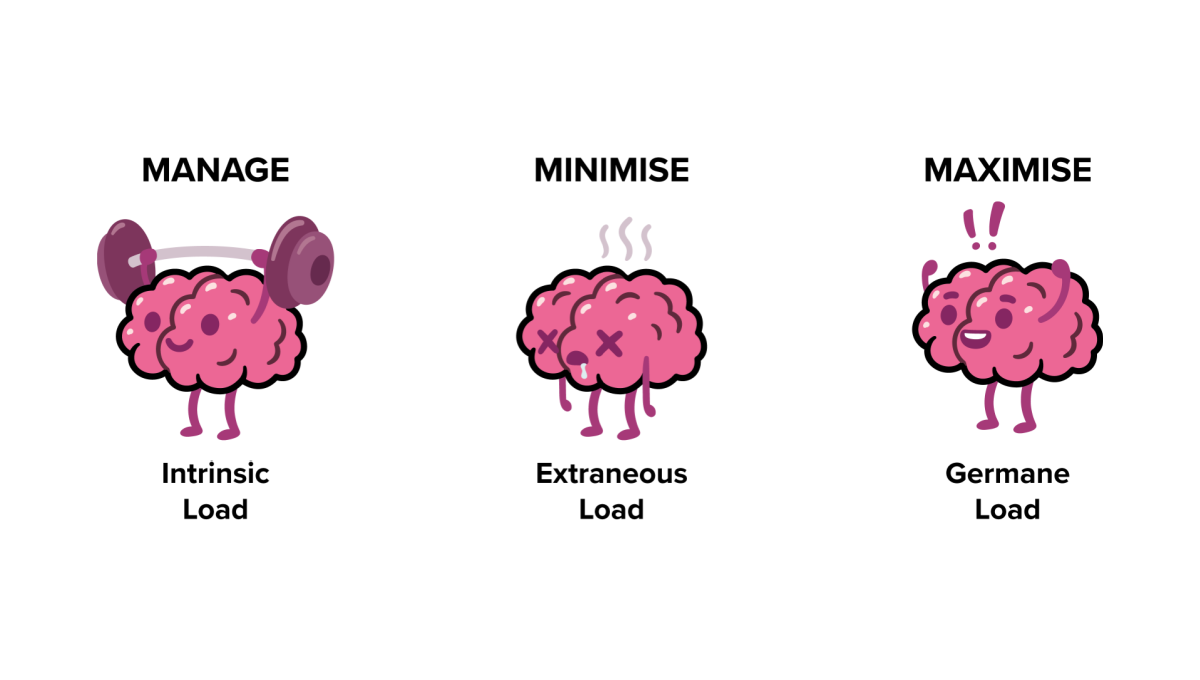
What Is Cognitive Load?
Cognitive load is the total mental effort used for:
When cognitive demand exceeds the brain’s processing capacity, performance declines — even among highly experienced and capable leaders.
This is not a motivation issue. It is a mental bandwidth issue.
Why Cognitive Load Management Matters More Than Ever
We now operate in what experts call the attention economy. Emails, meetings, dashboards, reports, instant messages, and digital platforms are all competing for the same limited resource: human attention. Leaders today do not struggle because they lack information — they struggle because they are overloaded with it. Without deliberate management, cognitive overload becomes the silent barrier to:
Signs of Cognitive Overload
Cognitive overload often shows up in subtle but costly ways:
✔ Difficulty concentrating on complex issues
✔ Forgetting important details or commitments
✔ Slower, more effortful decision-making
✔ Mental fatigue without physical exhaustion
✔ Impulsive or rushed judgments
✔ Reduced ability to think strategically or creatively
These signs do not indicate incompetence — they indicate that the brain is operating beyond sustainable capacity.
How Cognitive Overload Impacts Leadership Performance
When leaders operate under excessive cognitive load:
A cognitively overloaded leader may appear busy and engaged — yet deliver lower-quality outcomes.
A Professional Framework for Managing Cognitive Load
Reduce Decision Noise
Not every decision requires executive attention. High-performing leaders design systems that allow routine decisions to be handled at the appropriate level, reserving mental energy for high-impact thinking.
Schedule Deep Work
Deep work refers to focused, uninterrupted time dedicated to cognitively demanding tasks. Blocking time free from meetings, emails, and notifications allows leaders to think clearly and produce high-value outcomes.
Minimize Task Switching
Frequent switching between tasks consumes significant mental energy. Grouping similar activities — such as reviewing emails, attending meetings, or analyzing reports — reduces cognitive strain and improves efficiency.
Use Systems Instead of Memory
Relying on memory to track tasks, commitments, and decisions increases mental load. Effective leaders externalize information through:
This frees mental space for strategic thought.
Manage Energy, Not Just Time
Time is fixed — cognitive energy is not. Leaders should schedule high-concentration work during peak mental hours and protect recovery through short breaks and realistic meeting loads.
Business Example
Consider an executive managing daily operations, strategic initiatives, and cross-functional coordination. Their calendar is filled with meetings, while inboxes and dashboards demand constant attention. Despite experience and competence, decision quality begins to decline. After applying cognitive load management principles, the leader:
The result: clearer thinking, better decisions, lower stress, and more sustainable performance.
Cognitive load management is not merely a personal productivity technique — it is a leadership advantage in modern organizations. In an age of information abundance, success does not belong to those who consume more information, but to those who protect their capacity to think clearly. Great leaders do not fill their minds with everything. They design systems and environments that protect their mental energy — and enable better leadership.

Dr. Abdulrahman Aljamouss, PhD is a strategic consultant, academic, trainer, and author with over 20 years of professional experience in workforce development, leadership capability building, and institutional transformation. He partners with organizations to design future-ready strategies, develop leadership pipelines, and deliver measurable, sustainable impact.


Dr. Abdulrahman Aljamouss, PhD is a strategic consultant, academic, trainer, and author with over 20 years of professional experience in workforce development, leadership capability building, and institutional transformation. He partners with organizations to design future-ready strategies, develop leadership pipelines, and deliver measurable, sustainable impact.

© Copyright - Dr. Abdulrahman Aljamouss, PhD
Powered & Designed with by Synapze

Dr. Abdulrahman Aljamouss, PhD is a strategic consultant, academic, trainer, and author with over 20 years of professional experience in workforce development, leadership capability building, and institutional transformation. He partners with organizations to design future-ready strategies, develop leadership pipelines, and deliver measurable, sustainable impact.