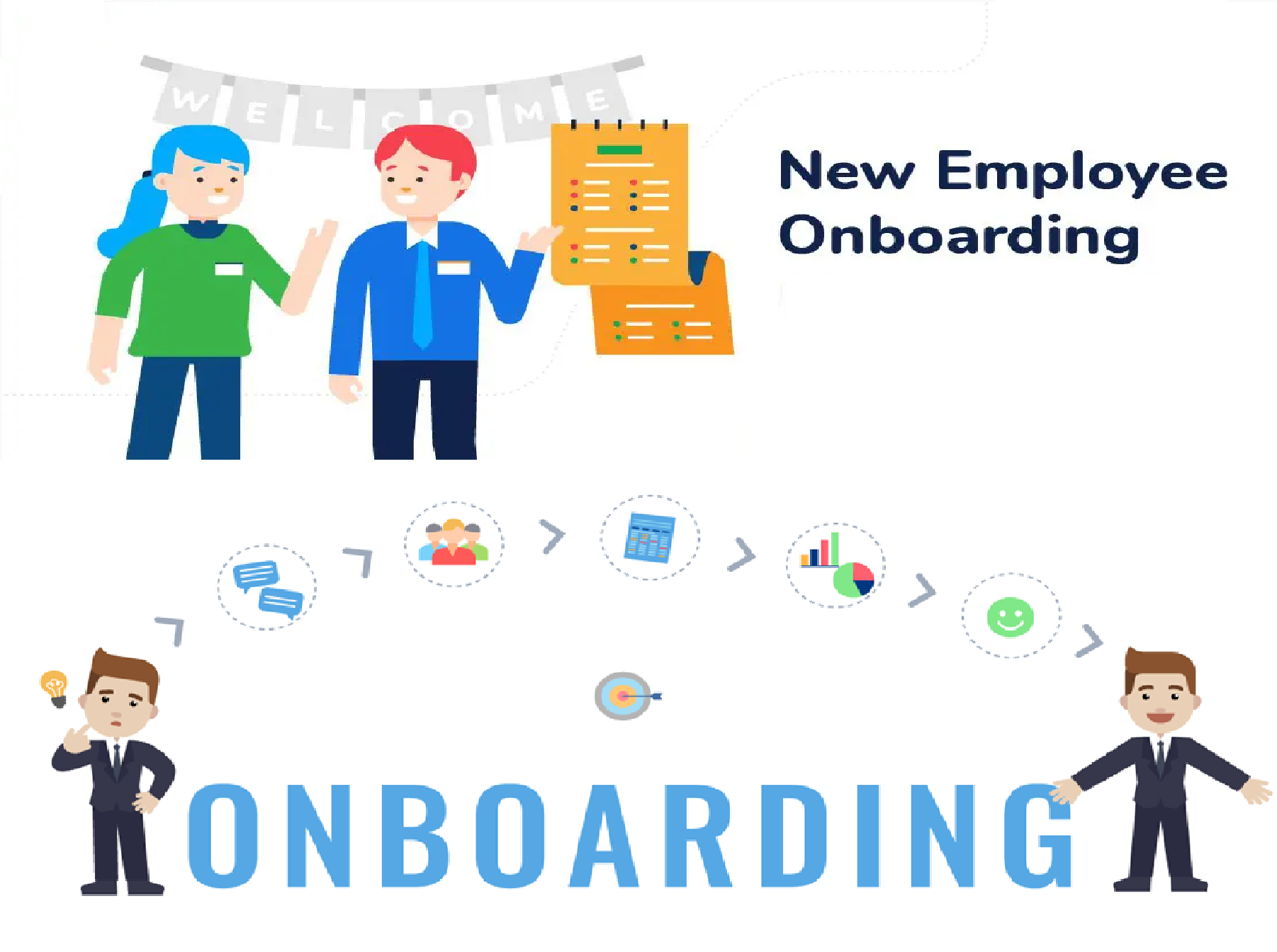
"Onboarding" refers to the processes in which new hires are integrated into the organization. It includes activities that allow new employees to complete an initial new-hire orientation process, as well as learn about the organization and its structure, culture, vision, mission and values. For some organizations, the onboarding process consists of one or two days of activities; for other organizations, this process may involve a series of activities spanning one or many months.
"Onboarding" refers to the processes in which new hires are integrated into the organization. It includes activities that allow new employees to complete an initial new-hire orientation process, as well as learn about the organization and its structure, culture, vision, mission and values. For some organizations, the onboarding process consists of one or two days of activities; for other organizations, this process may involve a series of activities spanning one or many months.
Getting Started with the Onboarding Process
Finding the best candidates for positions in your organization is only part of building an effective team. The process of onboarding new employees can be one of the most critical factors in ensuring recently hired talent will be productive, contented workers.
However, in some organizations, onboarding is often confused with orientation. While orientation might be necessary—paperwork and other routine tasks must be completed—onboarding is a comprehensive process involving management and other employees that can last up to 12 months.
Before implementing a formal onboarding program, employers should answer some key questions to attain team and upper management buy-in, including:
Once these questions have been answered, HR professionals and upper management can devise a plan of action to help new employees quickly assimilate company policies and workflow while getting fully acquainted with the organization's culture.
What onboarding is not: Onboarding vs. orientation
It is important to note that there are key differences between onboarding and orientation. For most organizations, the orientation is a one-time event. It is typically only a couple hours or at most a full work day and it is typically general enough to apply to many employees from various teams.
Meanwhile, the employee onboarding process will take several days or even weeks. During the onboarding process, employees will receive information that is much more specific to their team and their role. Orientation is just a small part of an onboarding process!
Benefits of onboarding for organizations
Benefits of Onboarding for Employees

Dr. Abdulrahman Aljamouss, PhD is a strategic consultant, academic, trainer, and author with over 20 years of professional experience in workforce development, leadership capability building, and institutional transformation. He partners with organizations to design future-ready strategies, develop leadership pipelines, and deliver measurable, sustainable impact.



Dr. Abdulrahman Aljamouss, PhD is a strategic consultant, academic, trainer, and author with over 20 years of professional experience in workforce development, leadership capability building, and institutional transformation. He partners with organizations to design future-ready strategies, develop leadership pipelines, and deliver measurable, sustainable impact.

© Copyright - Dr. Abdulrahman Aljamouss, PhD
Powered & Designed with by Synapze

Dr. Abdulrahman Aljamouss, PhD is a strategic consultant, academic, trainer, and author with over 20 years of professional experience in workforce development, leadership capability building, and institutional transformation. He partners with organizations to design future-ready strategies, develop leadership pipelines, and deliver measurable, sustainable impact.