


Gall’s Law: Why Complex Systems Must Start Simple
In 1975, John Gall, an American systems theorist, formulated what is now known as Gall’s Law: “A complex system that works is invariably found to have…
Read DetailsExplore our collection of insightful articles and knowledge capsules covering business strategies, professional insights, and industry expertise.



In 1975, John Gall, an American systems theorist, formulated what is now known as Gall’s Law: “A complex system that works is invariably found to have…
Read Details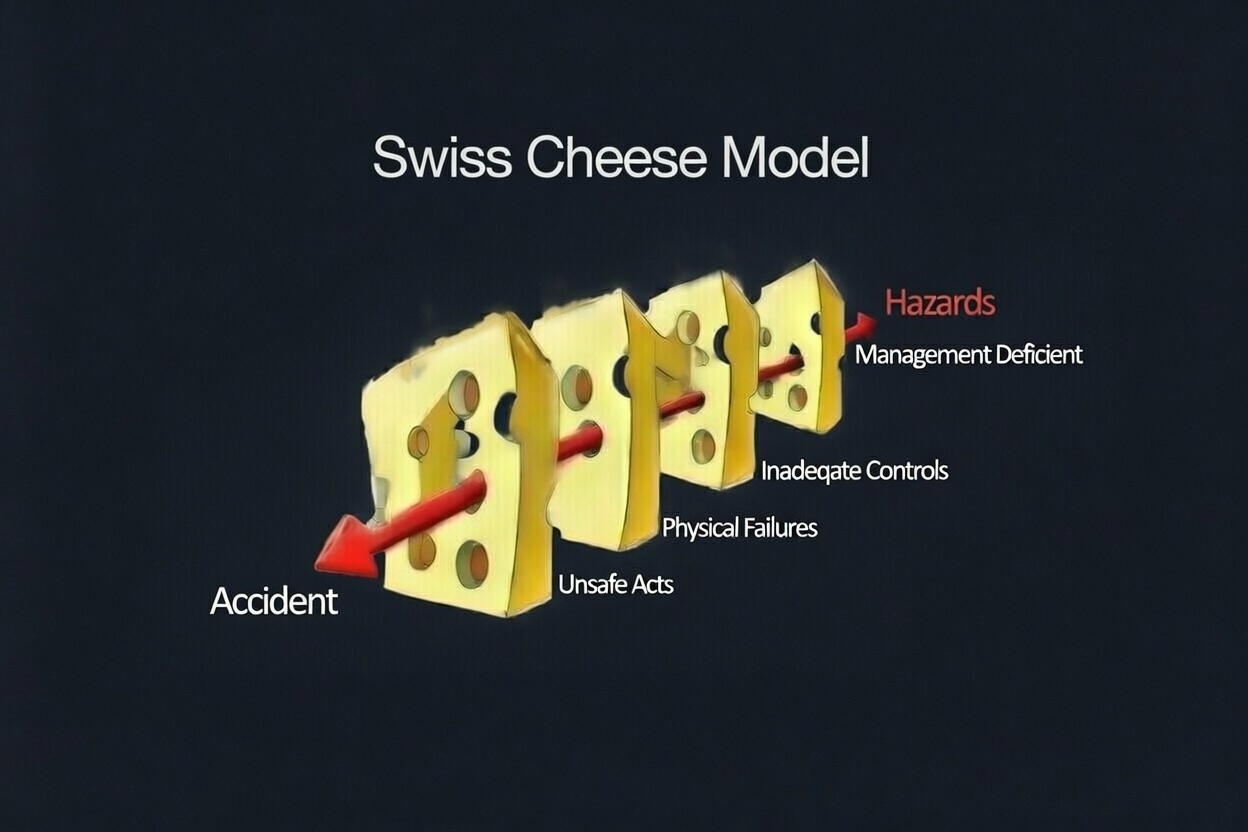
In 1990, British psychologist James Reason introduced the Swiss Cheese Model in risk management for safer organizations, a groundbreaking framework in…
Read Details
As organizations face economic pressures and a global skills gap, a new HR strategy has emerged: quiet hiring. Instead of external recruitment, companies…
Read Details
For years, leaders and strategists relied on the VUCA framework (Volatility, Uncertainty, Complexity, Ambiguity) to describe global instability and guide…
Read Details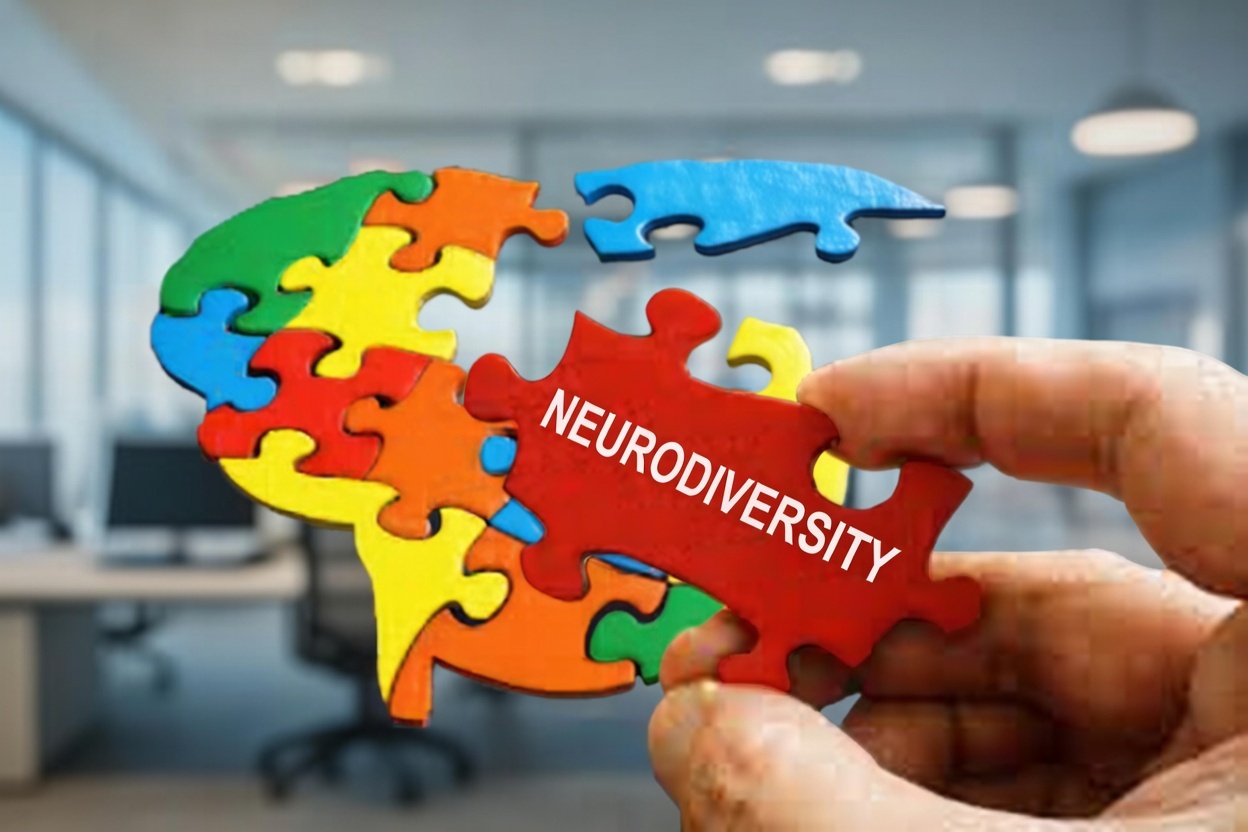
Neurodiversity in the workplace refers to recognizing and including individuals with different patterns of brain function and information processing—such…
Read Details
The term Disruptive Strategy carries an important nuance that is often lost in translation, especially into Arabic. The word disruptive can easily be…
Read Details
Hazard and Operability Study, widely known as HAZOP, is one of the most powerful analytical tools developed by modern industry to evaluate operational…
Read Details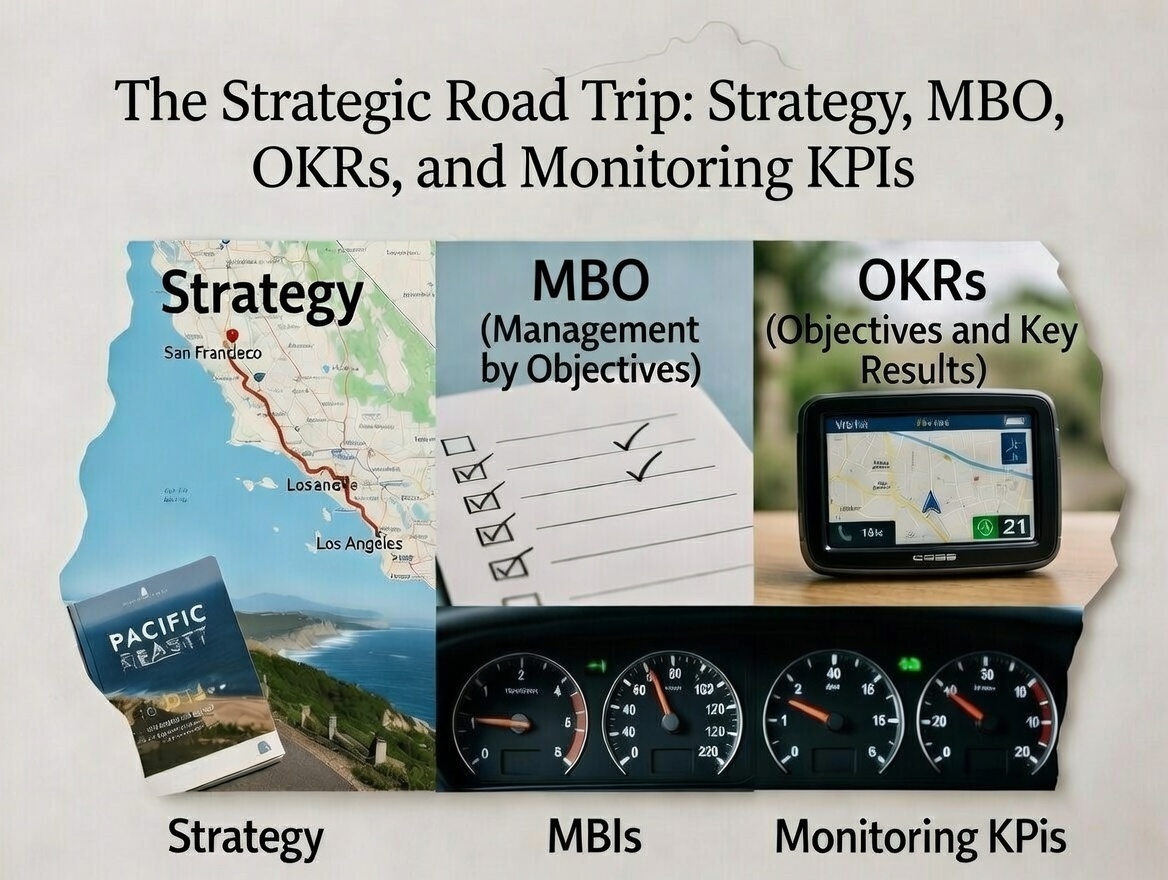
MBOs, KPIs, and OKRs are key components in how a company achieves its goals and they each represent a different way to achieve those company goals. MBO…
Read Details


Dr. Abdulrahman Aljamouss, PhD is a strategic consultant, academic, trainer, and author with over 20 years of professional experience in workforce development, leadership capability building, and institutional transformation. He partners with organizations to design future-ready strategies, develop leadership pipelines, and deliver measurable, sustainable impact.

© Copyright - Dr. Abdulrahman Aljamouss, PhD
Powered & Designed with by Synapze

Dr. Abdulrahman Aljamouss, PhD is a strategic consultant, academic, trainer, and author with over 20 years of professional experience in workforce development, leadership capability building, and institutional transformation. He partners with organizations to design future-ready strategies, develop leadership pipelines, and deliver measurable, sustainable impact.